There’s a moment every Abyssinian cat owner knows well. You’re sitting quietly, maybe reading a book or watching TV, and suddenly a sleek, ticked-fur missile launches itself onto the highest bookshelf in the room — knocking nothing over, landing perfectly, and then staring down at you with those enormous almond eyes like it’s daring you to question its life choices.
That’s the Abyssinian for you. Equal parts ancient mystery, Olympic-level acrobat, and devoted shadow-companion. If you’ve been researching this breed and wondering whether an Aby is the right fit for your home, buckle up — because this guide is going to give you the full, unfiltered picture.
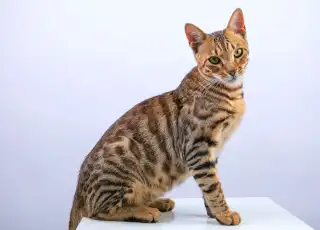
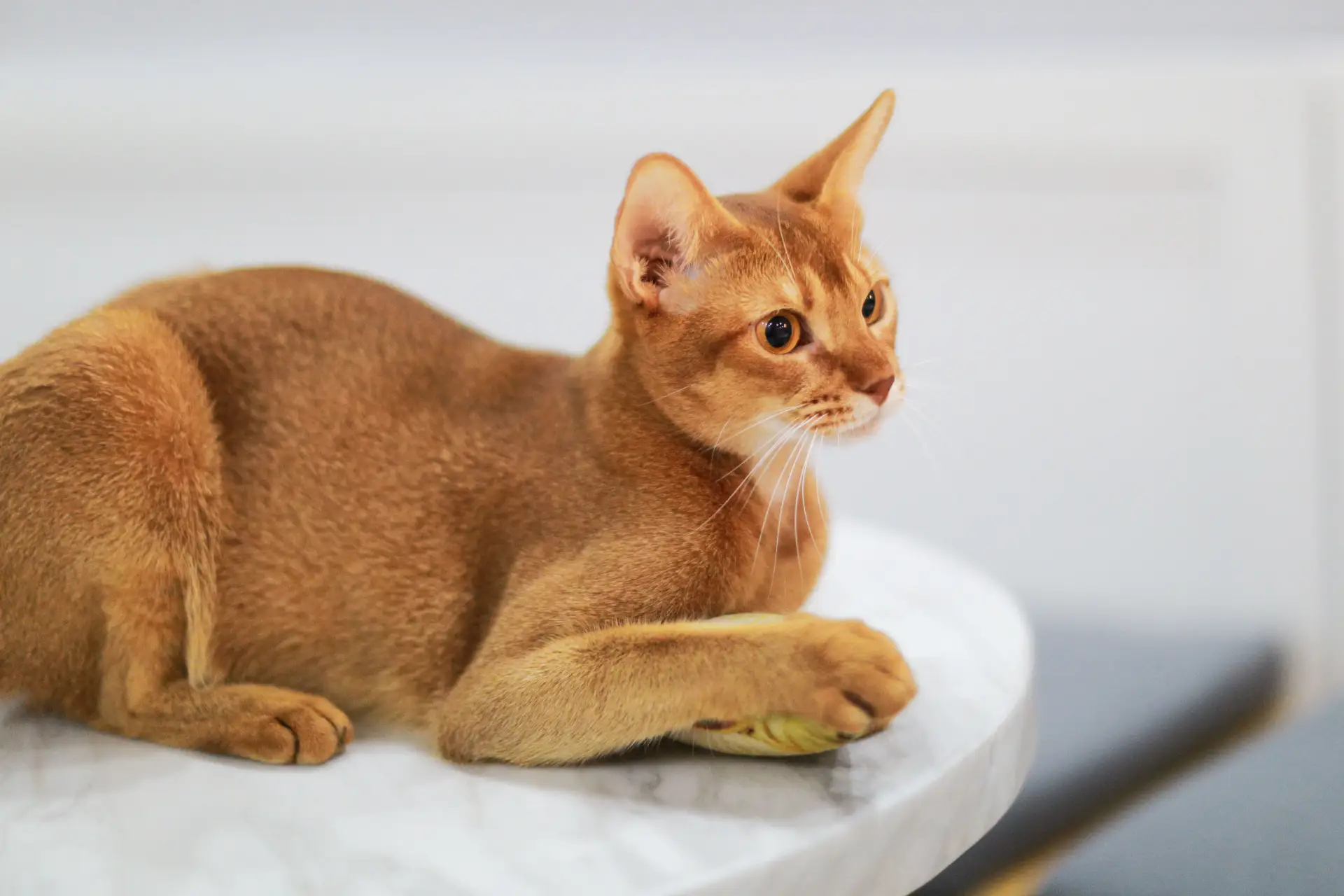 The Abyssinian’s signature ticked coat catches light in a way that makes the fur look almost luminous — a trait that turns heads at every cat show.
Key Takeaways
- The Abyssinian is one of the oldest domesticated cat breeds on record, with genetic roots tracing back to the coastal regions of the Indian Ocean, not Egypt as many people assume.
- Their ticked coat is genetically unique — each individual hair carries multiple bands of color, creating a wild, exotic look without any tabby stripes or spots.
- Abyssinians are relentlessly active and emotionally intelligent. They bond deeply with their humans but don’t cling or whine; they just… show up wherever you are.
- This is not a lap cat. If you want a cat that’ll curl up on you for hours, an Aby will disappoint you. If you want a cat that thinks you’re the most interesting thing in the room, they’ll exceed every expectation.
- They’re prone to a specific set of genetic health concerns, including progressive retinal atrophy and pyruvate kinase deficiency — both worth knowing about before you buy or adopt.
- Price range in the US runs from $1,000 to $2,500 for a breeder kitten, with rarer color variations pushing even higher.
Quick Overview
| Trait | Detail |
|---|---|
| Origin | Likely Southeast Asia or the Indian Ocean coast, popularized in Britain in the late 1800s |
| Size | Medium-sized, lean and muscular with a distinctly athletic build |
| Weight | 6–10 lbs (2.7–4.5 kg), with males typically larger than females |
| Lifespan | 12–15 years, with well-cared-for cats occasionally reaching 17+ |
| Coat | Short, dense, and fine with a distinctive agouti ticked pattern |
| Color | Ruddy, red (sorrel), blue, and fawn are the four CFA-recognized base colors |
| Temperament | Highly active, curious, affectionate, and intensely people-oriented |
| Grooming | Low-maintenance — weekly brushing and occasional bathing is typically sufficient |
| Price | $1,000–$2,500 USD from reputable breeders; rescue adoptions range $75–$200 |
Where Did the Abyssinian Cat Actually Come From? (The History is Messier Than You Think)
The name “Abyssinian” suggests Ethiopia — the ancient kingdom of Abyssinia — and for over a century, cat historians confidently pointed to Egypt and northeast Africa as the breed’s homeland. There are even mummified cats from ancient Egyptian burial sites that bear a striking resemblance to the modern Aby’s lean, angular frame.
Here’s where it gets interesting: genetic analysis published in the early 2000s threw a wrench into that tidy narrative. Modern DNA studies suggest that the Abyssinian’s genetic lineage most closely aligns with cats from the coastal regions of the Indian Ocean — think parts of modern-day India, Sri Lanka, and Southeast Asia. The leading theory now is that British colonists and traders brought these cats back to England during the 1800s, possibly through port cities like Calcutta.
The first documented Abyssinian in the Western world was a cat named “Zula,” reportedly brought to England in 1868 by Captain Barrett-Lennard following the Abyssinian War. Whether Zula was truly an Abyssinian-type cat or just a ticked-coat local feline remains debated among breed historians. What we do know is that the breed was formally exhibited in England by the 1870s and was selectively developed from there.
The Abyssinian arrived in North America in the early 1900s and gained CFA (Cat Fanciers’ Association) recognition in 1917. By the mid-20th century, dedicated breeders in the US had essentially rebuilt the Aby population after World War II devastated breeding programs in Europe. Today’s American Abyssinian lines carry that resilient heritage.
That Wild, Athletic Body — What Makes the Abyssinian Cat Look Like a Miniature Wildcat
Stand an Abyssinian next to a Persian or a British Shorthair and you’ll immediately understand why some people call them “the cat that looks most like a small African wildcat.” Every physical feature on an Aby seems purpose-built for speed and agility.
The body is medium-sized but deceptively muscular — not bulky, but wiry and compact. They have a long torso, well-developed hindquarters that sit slightly higher than the shoulders, and those long, slender legs that make them look perpetually ready to sprint.
The head is a modified wedge — gently rounded but distinctly angular. The ears are large, wide-set, and cupped slightly forward, giving the Aby an expression of intense, almost comical alertness. You can almost see the gears turning.
The eyes are almond-shaped, large, and expressive. They come in gold, green, hazel, or copper — always outlined in a darker color that looks almost like eyeliner, which amplifies that wild look considerably. Kittens are born with blue eyes that shift to their permanent color by around 18 months.
The tail is long, tapering to a point, and almost always in motion. Watch an Aby in hunting mode (which is about 80% of their waking hours) and that tail becomes a metronome of focus.
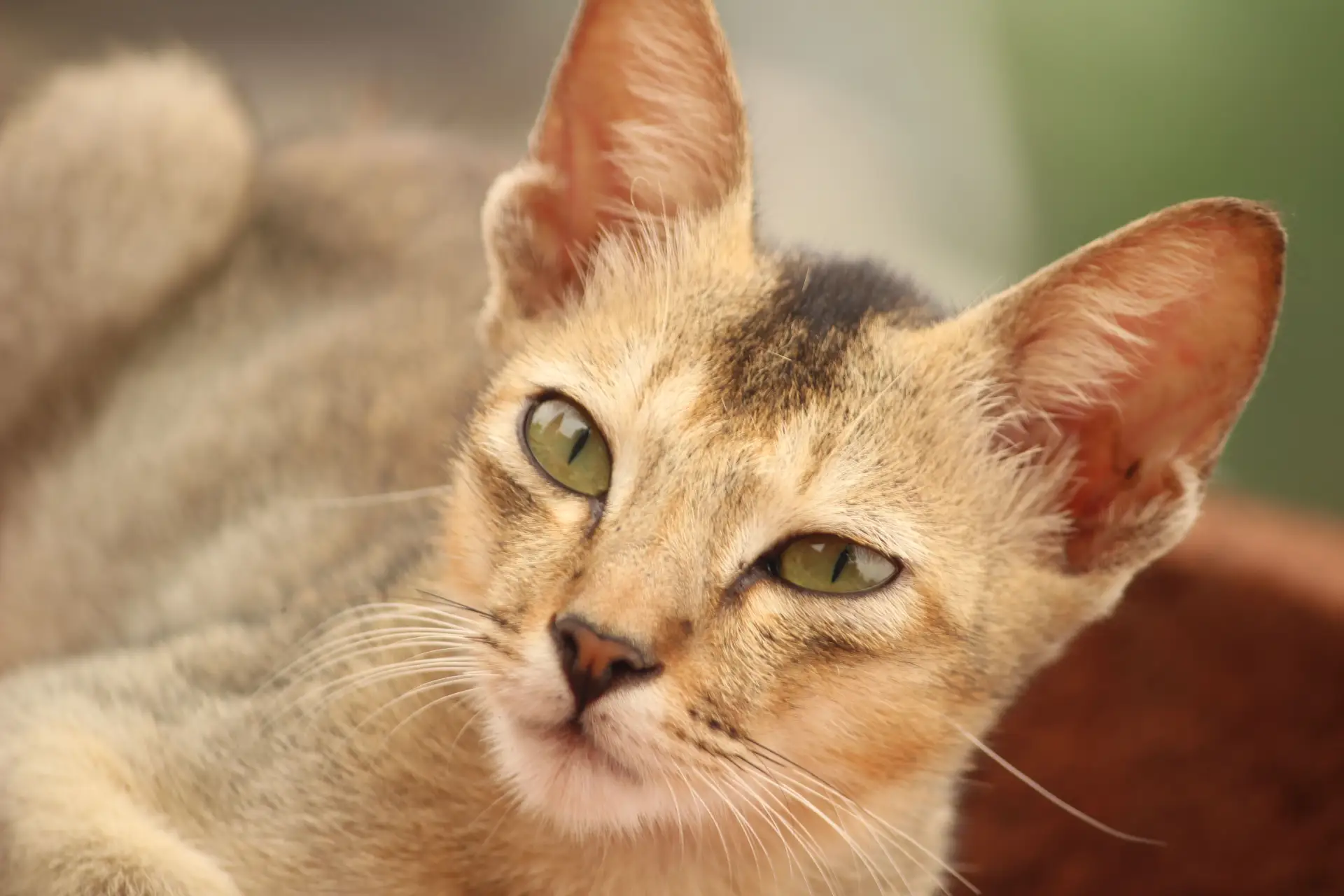 Those wide, slightly forward-cupped ears and large almond eyes give the Abyssinian an expression of perpetual, delighted curiosity.
The Ticked Coat: Abyssinian Cat Colors, Genetics, and Why Every Hair Tells a Story
The Abyssinian’s coat is arguably the most genetically fascinating thing about the breed. Forget stripes. Forget spots. The Aby’s pattern is called agouti ticking — each individual hair shaft carries alternating bands of light and dark pigment, typically two to three bands per hair. The effect, when light hits it, is a shimmering, almost iridescent appearance that looks completely different from any other domestic cat coat pattern.
This ticking is controlled by the agouti gene (ASIP). Interestingly, all tabby cats technically carry this gene, but in most tabbies, additional pattern genes override it to create stripes or spots. In the Abyssinian, those pattern genes are suppressed, letting the pure ticking show through. Kittens are born with darker coats that lighten and develop their full ticking as they mature — usually by around 18 months.
The four CFA-recognized colors:
- Ruddy (also called “usual” in the UK): The most common and most recognizable — a warm orange-brown base with black ticking, black tail tip, and brick-red nose. This is what most people picture when they think “Abyssinian.”
- Red (Sorrel): A warmer, cinnamon-copper base with chocolate-brown ticking. Often confused with ruddy, but the undertone is distinctly warmer and lighter.
- Blue: A cool blue-gray base with deeper slate-blue ticking. More subtle and surprisingly elegant — underappreciated in the show ring.
- Fawn: The rarest of the four recognized colors. A pale, warm cream base with light cocoa ticking. Finding a fawn Abyssinian kitten from health-tested lines can genuinely take months.
Some registries outside the US also recognize silver-based colors (silver, blue silver, sorrel silver, and fawn silver), where the light bands on each hair are a bright, cool white rather than warm cream. These silvers aren’t CFA-recognized but are accepted by TICA and various international bodies.
One thing worth knowing: the ticking pattern must be completely clear of tabby “ghost striping” on the legs or face for a cat to compete successfully in the show ring. Many pet-quality Abyssinians have faint residual striping that’s invisible to the casual eye but matters in a show context.
Living With an Abyssinian Cat: The Real Personality (Beyond the Buzzwords)
Every breed description you’ll find online will tell you Abyssinians are “energetic, curious, and affectionate.” All true. Also wildly incomplete.
Here’s what that actually looks like day-to-day:
They are watchers and learners. An Aby will spend its first week in your home doing reconnaissance — studying your routines, figuring out which drawer you open at feeding time, memorizing the sound of your keys. By week two, they’ve got your schedule mapped and will be waiting at the door before you even know you’re coming home. This is not a cat that spaces out. They’re engaged, and they notice everything.
They talk, but quietly. Abyssinians have a soft, almost chirpy voice — nothing like a Siamese’s opera-level vocalizations. They’ll comment on things. You open a cabinet they’re not allowed in, they say something about it. You ignore them for too long, they’ll trill at you. But it never becomes demanding or noisy.
They play like they’re being paid to. The interactive toy industry was probably invented with Abyssinians in mind. Feather wands, puzzle feeders, laser pointers — an Aby will engage with all of it with a level of focus that’s almost unsettling. What’s more, they learn fast. Show an Aby how to open a cabinet latch once, and they’ll have it figured out within a day. Baby-proofing your cabinets is not optional with this breed.
The “not a lap cat” thing needs nuance. Abyssinians aren’t cold or aloof — far from it. They want to be near you constantly. They’ll sit beside you on the couch, follow you from room to room, perch on your desk while you work, and occasionally headbutt your ankle to remind you they exist. What they typically don’t do is sprawl on your lap and demand pets for hours. They’re more like a co-worker than a stuffed animal.
Multi-pet households? Generally fine, especially if introduced young. Abyssinians are confident enough that they don’t get intimidated easily, and their social nature means they often genuinely enjoy having a cat companion — particularly another high-energy breed. A bored Abyssinian is a destructive Abyssinian, and having a buddy helps.
Keeping Up With an Abyssinian: Daily Care, Exercise, and Grooming Reality
Grooming: Genuinely Easy
The short, tight coat is a dream from a maintenance perspective. Weekly brushing with a fine-toothed comb or rubber grooming glove is genuinely all you need for most of the year. During spring shedding season, bumping to twice a week makes sense. They’re not prone to matting, don’t need haircuts, and handle their own coat hygiene fastidiously.
Bathing is occasional — maybe two to four times a year unless they’ve gotten into something. When you do bathe them, they tolerate it far better than most cats because early socialization to water tends to stick with Abyssinians in a way it doesn’t with less curious breeds.
Nail trimming every two to three weeks, dental brushing two to three times per week (non-negotiable if you want to avoid expensive dental cleanings at the vet), and routine ear checks round out the grooming routine. Total weekly time investment: maybe 20 minutes.
Exercise: Not Optional, Not Minimal
This is where Abyssinian ownership gets real. These cats need active exercise and mental stimulation daily. Not “ideally” — daily. A bored Aby will redecorate your home in ways you won’t enjoy.
Practical setup recommendations:
- A tall cat tree or floor-to-ceiling climbing pole — positioned near a window if possible. Abyssinians will climb. Give them somewhere appropriate to do it.
- Puzzle feeders for at least one meal per day. Slowing down feeding and turning it into a mental exercise makes a genuine difference in energy levels.
- Two dedicated interactive play sessions per day — 10 to 15 minutes each, with a real wand or feather toy. This is not something you can replace with leaving toys on the floor.
- Consider a catio or secure outdoor enclosure if your living situation allows. The Aby’s bird-watching instincts are intense, and supervised outdoor stimulation is enriching.
Diet:
Abyssinians don’t have unique dietary requirements beyond being cats, but their active metabolism means they burn energy quickly. High-protein, moderate-fat wet food as the primary diet is broadly recommended by veterinary nutritionists. Free-feeding dry food tends to lead to obesity in lower-activity cats; with Abyssinians, it’s less of an issue, but portion control and quality ingredients still matter.
What to Know Before You Adopt: Abyssinian Cat Health Risks and Lifespan
Note: This section discusses health considerations. Please consult your veterinarian for personalized advice.
Abyssinians are generally hardy cats with a well-developed gene pool, but there are a few specific conditions that any responsible owner — or breeder — needs to know about.
Progressive Retinal Atrophy (rdAc-PRA): This is a hereditary eye condition that causes gradual degeneration of the retina, eventually leading to blindness. It’s carried as an autosomal recessive trait, meaning a cat needs two copies of the mutated gene to be affected. Responsible breeders DNA test for PRA — always ask to see documentation before purchasing a kitten.
Pyruvate Kinase Deficiency (PK-Def): A genetic disorder affecting red blood cell function, leading to hemolytic anemia of varying severity. Again, DNA-testable and preventable through responsible breeding. A cat with two copies of the mutation will show clinical signs; carriers (one copy) are unaffected. Ask for PK-Def clearance from any breeder.
Hypertrophic Cardiomyopathy (HCM): The most common heart disease in cats generally, and Abyssinians are not immune. Not every line carries genetic HCM predisposition, but annual echocardiograms are worth discussing with your vet, particularly for cats over seven years old.
Dental disease: Abyssinians are somewhat prone to periodontal issues, which is why that dental brushing habit I mentioned earlier is genuinely important. Regular professional cleanings may be needed — typically every one to three years depending on individual genetics and home care.
Lifespan: A well-cared-for Abyssinian typically lives 12–15 years. Cats from health-tested lines, on high-quality diets with good dental care and regular vet visits, frequently reach 15–17 years. They’re not a fragile breed — they age well.
⚠️ Health Disclaimer: This information is for educational purposes only and is not a substitute for professional veterinary advice. Always consult a licensed veterinarian for diagnosis, treatment, and health decisions regarding your cat.
How Rare Is the Abyssinian Cat in the US, and What Will It Cost You?
The Abyssinian is one of the most consistently popular pedigreed cat breeds in the United States — typically ranking in the top 10 of CFA breed registrations annually. That said, “popular” is relative in the cat world; they’re nowhere near as common as Persians or Maine Coons in terms of raw breeder numbers.
Finding a reputable breeder takes planning. Expect waitlists of three to six months for kittens from health-tested, well-socialized breeding programs. This is actually a good sign — reputable breeders don’t have a conveyor belt of kittens available year-round.
Pricing breakdown:
- Pet-quality Abyssinian kittens (ruddy or sorrel): $1,000–$1,500
- Show-quality kittens: $1,500–$2,500+
- Rare colors (fawn, blue) or lines with imported pedigrees: $2,000–$3,000+
- Adult cats from retired breeding programs: Sometimes available from breeders for $300–$600 and can be wonderful pets
Rescue and adoption: Abyssinian-specific rescues do exist — the Aby Rescue & Placement Helpline is the most organized national resource. Expect adoption fees of $75–$200. Adult cats and seniors are more commonly available through rescue than kittens, and honestly, adopting an adult Aby is one of the most underrated options out there. Their personality is fully developed, they’re often already litter trained and socialized, and you can immediately see whether their energy level matches your household.
Red flags when buying:
- No DNA health testing documentation
- Kittens available “immediately” without a waitlist
- Prices significantly below $1,000 with vague health guarantees
- Reluctance to let you video call or visit (within reason) before purchasing
Frequently Asked Questions About Abyssinian Cats
Are Abyssinian cats good for first-time cat owners?
Honestly? With some caveats. Abyssinians are loving, relatively low-maintenance in terms of grooming, and deeply rewarding to live with. But their energy level and need for mental stimulation is genuinely higher than most breeds. If you’re prepared to invest in enrichment, playtime, and an appropriately stimulating environment, an Aby can be a wonderful first cat. If you’re hoping for a relaxed, low-key companion who entertains themselves, they might leave you exhausted.
Do Abyssinian cats get along with dogs?
Surprisingly well, in many cases. Abyssinians are confident and curious rather than skittish, which means they’re less likely to run from a dog — and an Aby who doesn’t run is less likely to trigger a dog’s chase instinct. Proper slow introductions are still essential, and the dog’s prey drive matters. Many Abyssinian owners report their cats and dogs becoming genuine companions.
How much do Abyssinian cats shed?
Less than you’d expect for a shorthaired cat, but not zero. The ticked coat sheds minimally throughout the year with a slightly heavier shed in spring. Weekly brushing handles it comfortably. You won’t find Aby fur coating your furniture the way you might with a longer-coated breed.
Are Abyssinian cats hypoallergenic?
No. There is no truly hypoallergenic cat. Abyssinians produce the Fel d 1 protein (the primary cat allergen) like all domestic cats. Their minimal shedding means less airborne allergen spread than high-shedding breeds, but if you have a cat allergy, an Aby won’t necessarily solve that problem. Spend time with the breed before committing if allergies are a concern.
Can Abyssinian cats live in apartments?
Yes, but your setup matters more than your square footage. An Aby in a small apartment with a tall climbing structure, a window perch, regular play sessions, and a companion cat can thrive. An Aby in a large house that’s empty all day with no stimulation will be miserable regardless of the space. The key variable is enrichment, not size.
How long do Abyssinian cats usually live?
The typical range is 12–15 years, with healthy individuals frequently reaching 16 or 17. The biggest factors are genetics (which is why health-tested breeding lines matter), diet quality, dental care, and regular veterinary attention. Indoor-only Abyssinians consistently outlive those with outdoor access, primarily due to reduced injury and disease exposure.
Are Abyssinian cats vocal or noisy?
They’re communicative, but not loud. The Abyssinian voice is typically soft, chirpy, and trill-like — more of a commentary than a demand. You’ll hear them, but you won’t be woken up at 3 AM by operatic yowling. Unless it’s feeding time and you’re running late, in which case: fair warning.
Do Abyssinian cats need a companion?
Not strictly required, but strongly recommended if you’re away from home during the day. Abyssinians are social cats and get genuinely lonely. A second cat — ideally another high-energy breed or another Aby — makes a substantial difference in wellbeing for cats in working households. Many breeders actually encourage or require adopters to have another cat or to commit to significant daily interaction.
What’s the difference between an Abyssinian and a Somali cat?
The Somali is essentially a long-haired Abyssinian. Both breeds share the same agouti ticking pattern, similar body type, and nearly identical temperament. The Somali’s semi-long coat came from a recessive long-hair gene that occasionally appeared in Abyssinian litters — breeders eventually developed it into a separate recognized breed. If you love the Aby personality but want more floof, the Somali is worth a look.
What should I look for in a reputable Abyssinian breeder?
The essentials: DNA health testing for both PRA and PK-Def (ask for documentation, not just a verbal assurance), kittens raised underfoot in a home environment rather than cages, at least two veterinary checkups before rehoming, a health guarantee of at least two years, willingness to take the cat back at any point in its life if you can no longer care for it, and membership in a recognized breed club such as the Abyssinian Cat Club of America. Waitlists, higher prices, and lots of questions from the breeder about you are all good signs.
The Abyssinian cat is not for everyone, and that’s actually a point in their favor. They’re a breed with strong opinions, boundless energy, and a depth of personality that makes lazy generalizations genuinely difficult. What they offer in return for your attention and investment is a companion that’s fully present — watching you, engaging with you, occasionally judging your life choices from the top of the refrigerator.
If that sounds like your kind of relationship, the Abyssinian might just be the most rewarding cat you’ll ever live with.