There’s a moment every Maine Coon owner knows. You’re sitting on the couch, minding your business, and suddenly this enormous, tufted, lion-maned creature plops itself directly on your laptop, chirps at you — not meows, chirps — and stares into your soul like it’s trying to read your emails. Welcome to life with a Maine Coon cat. It’s ridiculous, it’s wonderful, and once you’re in, there’s no going back.
Maine Coons are one of those breeds that people either discover by accident or fall for the moment they see one in person. A photo doesn’t do them justice. You need to see a full-grown Maine Coon strutting across a room — all six-plus kilograms of floofy, confident, dog-like cat — to really understand what the fuss is about.
This guide covers everything: the real personality behind those wild tufted ears, the grooming commitment nobody warns you about, health risks worth knowing before you bring one home, and how to find a reputable breeder without getting burned. Let’s get into it.
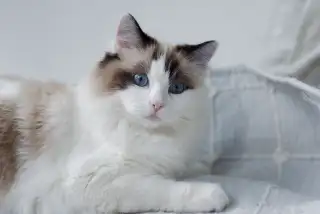
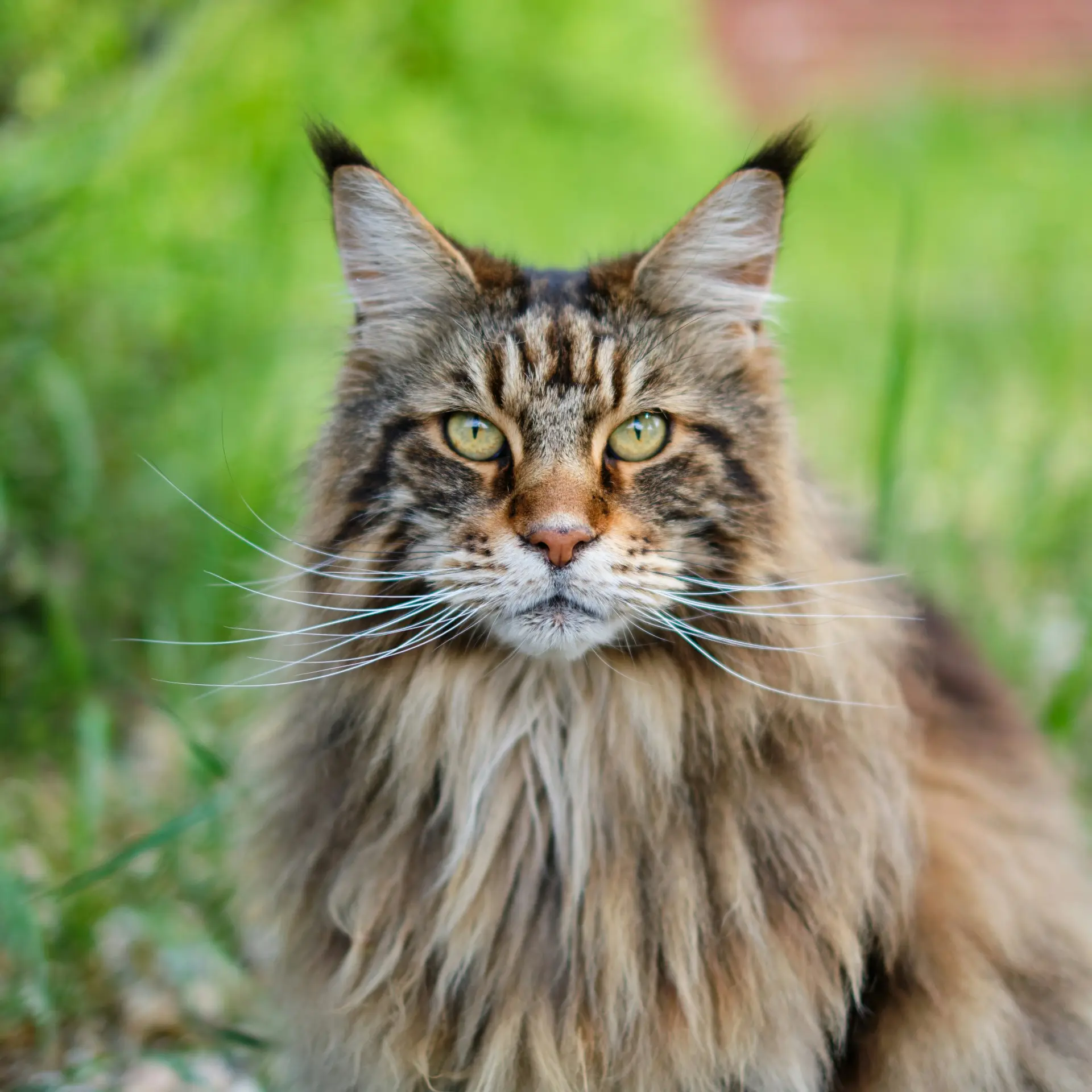 A fully grown Maine Coon in its element — this breed’s rugged beauty is directly shaped by centuries of New England winters.
Key Takeaways
- Maine Coons are the largest domestic cat breed, with males regularly hitting 15–25 lbs and taking up to 4–5 years to fully mature.
- They’re famously dog-like — they follow you around, come when called, love water, and can be leash-trained with patience.
- The coat is a serious commitment. That beautiful, flowing fur needs brushing 2–3 times per week minimum, or you’ll be pulling out mats and tumbleweeds of shed fur from every corner of your home.
- Hypertrophic cardiomyopathy (HCM) is the biggest health concern for this breed — always ask breeders for cardiac screening results.
- Maine Coon cats are playful well into adulthood, which is part of their charm but also means they need genuine mental and physical stimulation.
- Prices in the US typically range from $1,000 to $2,500+ for a pet-quality kitten from a reputable breeder, and availability varies significantly by region.
Quick Overview
| Trait | Detail |
|---|---|
| Origin | Maine, United States (one of the oldest natural North American breeds) |
| Size | Large to extra-large; males significantly bigger than females |
| Weight | Males: 15–25 lbs; Females: 8–14 lbs |
| Lifespan | 12–15 years, with many living into their late teens with good care |
| Coat | Long, dense, water-resistant double coat with a silky undercoat |
| Color | Over 75 recognized color and pattern combinations, excluding colorpoint |
| Temperament | Sociable, playful, gentle, moderately vocal, highly intelligent |
| Grooming | Moderate-to-high; requires brushing 2–3 times per week and regular ear cleaning |
| Price | $1,000–$2,500+ for pet quality; show-quality kittens can exceed $3,500 |
The Origins of Maine Coon Cat: Legends, Longships, and New England Winters
Every Maine Coon story starts with a disclaimer: nobody actually knows for certain where these cats came from. And honestly, that mystery is part of their appeal.
The most colorful theory — completely unscientific but wildly entertaining — claims that Marie Antoinette, while planning her escape from France, shipped her beloved Turkish Angora cats to Wiscasset, Maine. She never made it. Her cats, allegedly, did. Another popular tale links Maine Coons to Viking longships, suggesting that Norse explorers brought long-haired cats to North America centuries before Columbus. Given that Maine Coons share a striking resemblance to the Norwegian Forest Cat, this one isn’t entirely laughable.
The practical explanation, and the one most geneticists and historians lean toward, is that long-haired cats arrived in New England via seafaring traders in the 1700s and 1800s. These cats mated with local short-haired cats, and over generations, the harsh Maine winters did the rest. Cats with thick, water-resistant coats, tufted ears, and large, snowshoe-like paws simply survived better. Natural selection shaped the Maine Coon into what it is today — a rugged, cold-adapted, deeply capable cat.
By the late 1800s, Maine Coons were showing up at cat shows. A brown tabby Maine Coon named Cosey won Best Cat at the very first major American cat show in Madison Square Garden in 1895. Then, somewhat bafflingly, the breed nearly vanished when Persian cats became the fashionable choice. It wasn’t until the 1960s and 70s that dedicated breeders brought the Maine Coon back from the brink, and the Cat Fanciers’ Association officially recognized the breed in 1976.
Maine Coon cats are also the official state cat of Maine — which feels entirely right.
What a Maine Coon Cat Actually Looks Like Up Close
Maine Coons are big. Not “oh, that’s a chubby cat” big — genuinely, structurally large. Their bodies are long and rectangular, built more like a small lynx than a typical house cat. The bone structure is heavy, the musculature is substantial, and when a Maine Coon stretches out full-length on your kitchen floor, people who have never seen one before will ask if it’s a dog.
The face is one of the most distinctive things about a Maine Coon. High cheekbones, a slightly squared muzzle, and large, wide-set eyes that come in green, gold, copper, or (in white cats) blue or odd-eyed combinations. Then there are the ears — tall, tufted, with wispy lynx-tip fur that gives them a permanently alert, wild look. Those ear tufts aren’t just decorative; they were almost certainly an adaptation for cold weather.
The tail is a showpiece. Long, thick, and plumed, a Maine Coon’s tail can be almost as long as its body. Watching one walk with that tail held high is genuinely impressive. The paws are large and often have extra tufts of fur between the toes — those “snowshoe” adaptations that made navigating frozen New England terrain a little easier for their ancestors.
Males and females look notably different in this breed. A female Maine Coon is a solid, medium-to-large cat. A fully mature male Maine Coon is something else entirely — broad-chested, heavy-jowled, with a mane that frames his face like a lion’s ruff. The full effect doesn’t arrive until they’re three to five years old, which means raising a Maine Coon kitten is a slow, rewarding reveal.
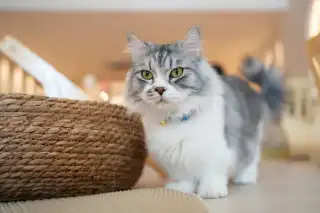
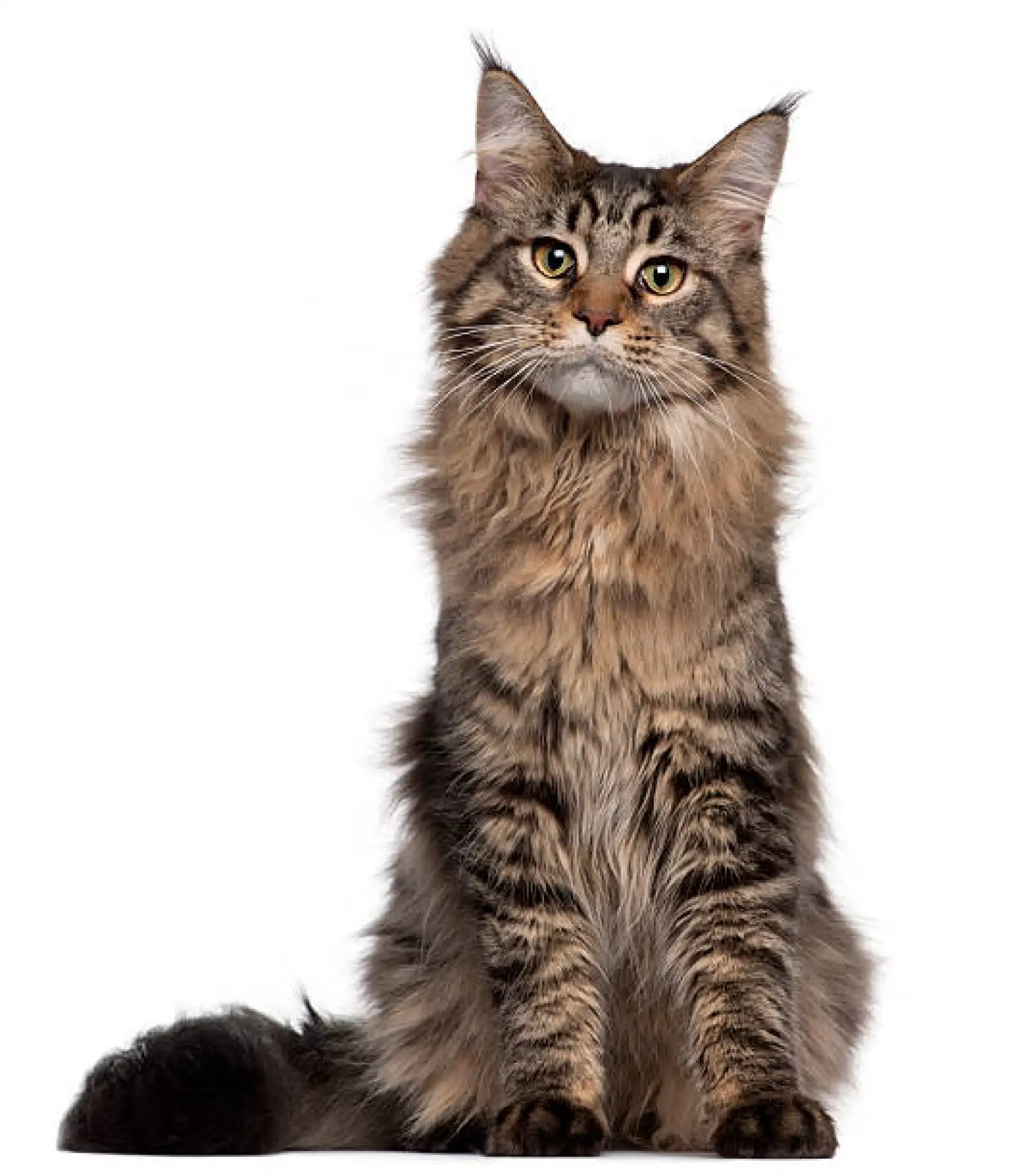 Those tufted ears and wide-set eyes are unmistakable — the Maine Coon’s face has a wild, almost lynx-like quality that no photo fully captures.
Maine Coon Cat Coat Colors: A Kaleidoscope Built on Genetics
If you thought “Maine Coon comes in brown tabby,” you’ve only seen the tip of the iceberg. The breed recognizes over 75 color and pattern combinations — which means you could own five Maine Coons and have them all look completely different.
Solid colors include black, white, blue, red, and cream. Solid white Maine Coons are striking, often with blue or odd-colored eyes, and they carry a higher statistical risk of deafness linked to the W gene — worth knowing if you’re specifically looking for white.
Tabby patterns are where most people’s minds go first when they think of Maine Coons. Classic tabby (those swirling bullseye patterns), mackerel tabby (narrow parallel stripes), ticked tabby (each hair banded with multiple colors), and spotted tabby all occur in the breed. Brown classic tabby is probably the most iconic look, but silver tabby — with that cool, almost metallic coloring — gives classic tabby a run for its money in the stunning department.
Tortoiseshell and calico patterns appear almost exclusively in females, linked to the X chromosome. A male tortoiseshell exists but is genetically unusual (XXY) and almost always sterile.
Smoke and shaded variations happen when the undercoat is significantly lighter than the tips of the fur — creating this ghostly, shimmering effect when the cat moves. Silver and golden shaded Maine Coons, in particular, look like they’re lit from within.
What you won’t find in a purebred, CFA-registered Maine Coon: colorpoint patterning (the Siamese-style points on face, ears, paws, and tail). Those are not currently recognized in the breed standard.
Genetically, Maine Coon coat length is controlled by a recessive mutation in the FGF5 gene. Two long-haired parents will always produce long-haired kittens, but a Maine Coon carrying one dominant short-hair allele will appear long-haired while potentially passing the short-hair gene along — which is why lineage documentation matters even for “pet-only” buyers.
The Real Personality of a Maine Coon Cat — Not the Instagram Version
Here’s where I need to push back on how Maine Coons are usually described online: “gentle giants, great with kids, love everyone.” That’s not wrong, exactly, but it flattens a genuinely complex personality into a PR tagline.
Maine Coons are social, yes — but they’re social on their terms. They don’t desperately crave your attention the way a Siamese or a Ragdoll might. A Maine Coon will follow you into the bathroom (they will absolutely do this), park itself nearby while you work, and monitor your activities with an almost supervisory interest. But pick one up for an extended cuddle when they’re not in the mood, and they’ll give you a look that communicates, quite clearly, that they have better things to do.
The vocalization thing trips up first-time owners. Maine Coons don’t meow much. They chirp, trill, and make these odd little conversational sounds — almost like they’re commenting on your life. My theory is that this is deeply intentional. They’re telling you what they think, just in a frequency you can’t quite decode.
They genuinely play hard. Maine Coon kittens are chaotic little creatures, and adults retain a kitten-like playfulness that lasts well into middle age. Fetch is a real thing with this breed — not just a quirky internet video. They’ll retrieve toy mice, hair ties, bottle caps, anything small enough to bat around and bring back. Wand toys, puzzle feeders, and anything that engages their substantial brain are essential, not optional.
The water thing is also real and also slightly unhinged. Many Maine Coons are drawn to running water — pawing at faucets, sitting on the edge of the tub watching you shower, occasionally dipping an entire paw into their water bowl just to see what happens. A pet fountain is less a luxury and more a sanity-saving necessity.
With kids and dogs, Maine Coons typically do exceptionally well — not because they’re infinitely tolerant, but because they’re confident enough to set limits without panic. A Maine Coon that’s done with an interaction will leave, not lash out. That said, introductions should still be done thoughtfully. Throwing a Maine Coon kitten into a home with a high-energy dog and hoping for the best isn’t a strategy.
Grooming, Diet, and Daily Life With a Maine Coon Cat
Let’s be real about the coat situation. That magnificent fur is glorious. It is also a logistical project.
The Maine Coon’s coat is semi-long, with a thicker, slightly oily outer layer that’s reasonably water-resistant, and a softer undercoat underneath. This combination resists matting better than a Persian’s coat, but doesn’t resist it entirely. The areas to watch: behind the ears, under the “armpits,” and along the belly and hindquarters — basically anywhere friction happens.
A slicker brush and a wide-toothed metal comb are your core tools. Two to three sessions per week is the realistic minimum; during spring shedding season (and Maine Coons shed heavily, there’s no softening that fact), you might find yourself brushing daily just to stay ahead of it. Detangling spray helps during session when there are small knots. If you let mats develop — especially the dense, felt-like ones that form close to the skin — a professional groomer is your friend. Don’t try to cut them out yourself if you’re not experienced; you can easily nick skin.
Bathing a Maine Coon every 4–6 weeks keeps the coat fresh and reduces the amount of cat hair distributed across your entire home. Counterintuitively, many Maine Coons tolerate baths reasonably well compared to other cats — that water fascination seems to extend to bath time, at least most of the time.
On diet: Maine Coons are large cats with high protein requirements. A high-quality, protein-forward wet food as the dietary foundation is the way to go. Dry food alone isn’t ideal for any cat, but especially not for a breed with genetic predispositions to cardiac issues — keeping them well-hydrated matters. Some owners add freeze-dried or raw food toppers; that’s absolutely fine if the diet is nutritionally complete.
Watch weight carefully. Maine Coons should be substantial, not fat. A male at 18 lbs of muscle is normal. A male at 18 lbs with a belly swaying when he walks is overweight and heading toward joint problems. Your vet can help you find the line between “impressive Maine Coon” and “Maine Coon who has discovered the snack cabinet.”
Exercise: They need it, and they’ll largely self-regulate if you give them the environment to do so. A tall, sturdy cat tree is non-negotiable — Maine Coons love height and need the climbing surface. Floor space matters too; they like to run, and a cramped apartment can lead to a bored, mischievous cat. Interactive play sessions of 15–20 minutes twice a day make a meaningful difference in their temperament and physical fitness.
Nail trimming every 2–3 weeks, ear cleaning as needed (check weekly — Maine Coons can be prone to ear debris buildup), and dental care — whether via enzymatic toothpaste, dental chews, or ideally actual brushing — round out the care routine.
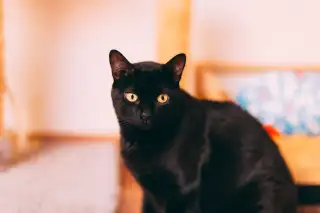
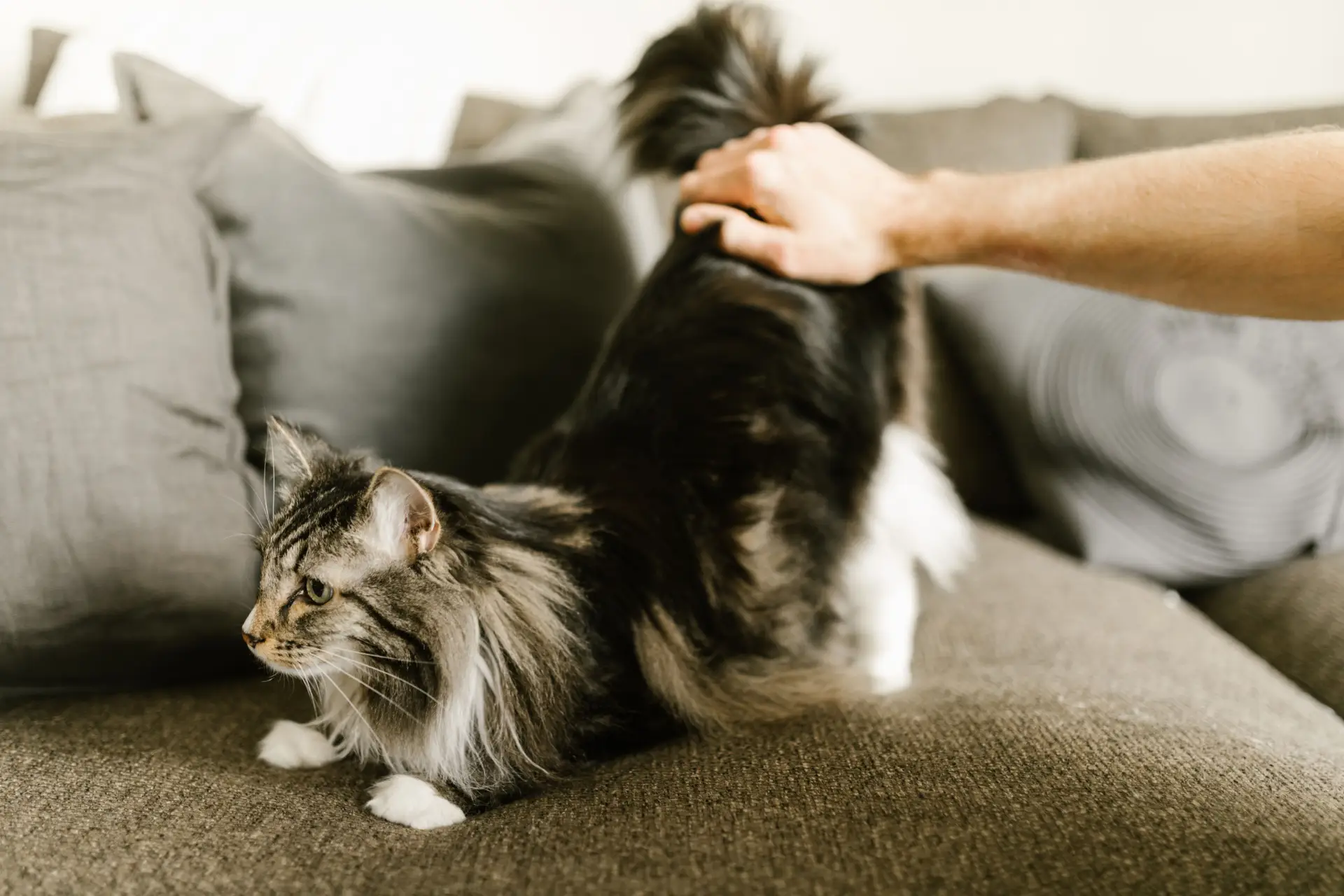 Regular brushing is the cornerstone of Maine Coon care — 10 minutes a few times a week saves you from hours of mat removal later.
Maine Coon Cat Health: What the Genetic Data Actually Says
Note: This section discusses health considerations. Please consult your veterinarian for personalized advice.
Maine Coons are generally a robust, healthy breed — their natural origins mean they weren’t created through extreme selective breeding that can compromise structure or health. But “robust” doesn’t mean “problem-free,” and two conditions in particular are worth serious attention.
Hypertrophic Cardiomyopathy (HCM) is the elephant in the room. HCM is the most common cardiac disease in cats broadly, but Maine Coons have a known genetic mutation (MyBPC3) that increases their predisposition. The disease causes the heart muscle to thicken, which can eventually lead to heart failure. The challenging part: HCM can develop silently. A cat can appear completely healthy while the disease progresses. Reputable breeders test breeding cats with cardiac ultrasounds (echocardiograms) by a board-certified cardiologist annually — not just genetic testing, because HCM in cats is polygenic and a genetic test alone doesn’t tell the whole story. When evaluating breeders, ask specifically about echo results for both parents.
Spinal Muscular Atrophy (SMA) is a genetic condition affecting the neurons controlling limb muscles, leading to progressive muscle weakness. Unlike HCM, this one is straightforwardly identifiable via DNA testing. Reputable breeders test for SMA and can provide certificates. An SMA-affected cat lives a shortened life with progressive mobility issues, so this test is genuinely important.
Hip Dysplasia occurs at higher rates in Maine Coons compared to other cat breeds — likely because of their size. Most affected cats adapt well and live comfortably, but severe cases can be painful. Keeping weight in healthy range is the most practical preventive measure owners can take.
Polycystic Kidney Disease (PKD), though more associated with Persians, can occasionally appear in Maine Coons. Again, DNA testing exists and responsible breeders use it.
Lifespan for a well-cared-for Maine Coon sits at 12–15 years, with healthy individuals routinely reaching 15+ and occasional cats hitting 18–20. The biggest predictors of longevity: genetics (which is why breeder selection matters enormously), weight management, indoor-only living, and regular veterinary care including those cardiac checks.
⚠️ Health Disclaimer: This information is for educational purposes only and is not a substitute for professional veterinary advice. Always consult a licensed veterinarian for diagnosis, treatment, and health decisions regarding your cat.
Maine Coon Cat Pricing, Rarity, and Finding a Reputable Breeder in the US
Maine Coon cats are not rare in the way that, say, a Khao Manee or Peterbald is rare — there are active breeding programs across the United States, and the breed consistently ranks among the most popular in the country. That said, “popular” doesn’t mean “easy to find from a quality source.”
The market is flooded with backyard breeders and kitten mills producing cats labeled “Maine Coon” without proper health testing, documentation, or adherence to breed standards. A $400 “Maine Coon” kitten on Craigslist is almost certainly not a registered Maine Coon, and the absence of health testing means you’re walking into potential cardiac and genetic problems.
What to actually expect to pay:
From a reputable TICA or CFA-registered breeder, pet-quality Maine Coon kittens typically run $1,000 to $2,500. In high-cost-of-living areas or from particularly sought-after lines (especially show-winning bloodlines or certain rare color combinations), prices can push to $3,000–$4,000+. Show-quality kittens, if a breeder is even willing to sell them to non-show homes, often exceed $3,500.
Deposits and waitlists are common. Good breeders don’t always have kittens ready immediately — expect to wait anywhere from a few months to over a year from some of the best programs.
Adoption is also worth considering. Maine Coon Rescue is a national network, and many regional rescues occasionally have Maine Coons or Maine Coon mixes. Purebred adults sometimes need rehoming when owners’ circumstances change — adopting an adult Maine Coon means you already know what you’re getting in terms of personality and size, and adoption fees are typically $100–$400.
Red flags to avoid: No health testing documentation, kittens available at 6–7 weeks old (reputable breeders keep kittens until 12–16 weeks minimum), no contract, no references, and any resistance to letting you visit or video-call to see where the kittens are raised.
Frequently Asked Questions About Maine Coon Cat
How big do Maine Coon cats actually get?
Males typically reach 15–25 lbs and can be 40 inches long from nose to tail tip. Females are smaller — usually 8–14 lbs — but still substantial compared to the average domestic cat. The key thing to know is that Maine Coons grow slowly. They don’t reach full size until 3–5 years of age, so don’t worry if your 18-month-old still looks like a gangly teenager. They fill out.
Are Maine Coon cats good for first-time cat owners?
Honestly, yes — with one caveat. They’re adaptable, gentle, and less high-maintenance temperamentally than some breeds. But the grooming commitment is real, and first-time owners sometimes underestimate it. If you’re prepared to put in the brushing time and afford quality food and regular vet care (including cardiac monitoring), Maine Coons are a genuinely wonderful first cat.
Do Maine Coon cats shed a lot?
Yes. There’s no point sugarcoating it. Expect cat hair on furniture, clothes, and surfaces you didn’t know existed. Regular brushing dramatically reduces the fallout, but it never eliminates it entirely. A good vacuum and lint rollers in every room are part of the Maine Coon lifestyle.
Are Maine Coon cats hypoallergenic?
No, and anyone who tells you otherwise is not being straight with you. Maine Coons produce the Fel d 1 protein — the main cat allergen — just like every other cat. Their long fur can actually concentrate dander more than short-haired cats. If you have cat allergies, spend extended time with a Maine Coon before committing, and consult an allergist.
How do Maine Coon cats get along with dogs?
Better than most cat breeds, generally. Maine Coons are confident and adaptable, and many coexist happily with dogs — especially if introductions are done gradually. The breed’s social nature and playfulness actually means they often enjoy a canine companion once the relationship is established. Key word: gradual. Don’t rush introductions.
Can Maine Coon cats be left alone during the day?
They tolerate alone time better than some highly social breeds, but they’re not solitary cats. If you work long hours, a second cat (or even a cat-friendly dog) as a companion makes a significant difference in their quality of life. Interactive toys and puzzle feeders also help. A lonely Maine Coon will find ways to entertain itself — often at the expense of your furniture.
What is the lifespan of a Maine Coon cat?
Most live 12–15 years, with healthy, well-cared-for individuals often reaching 15–18 years. The biggest threats to longevity are HCM and obesity-related issues, both of which are substantially preventable through proactive care — cardiac monitoring, weight management, quality nutrition, and staying current with veterinary visits.
Do Maine Coon cats like water?
A disproportionate number of them, yes. It’s not every single Maine Coon, but enough that it’s considered a breed characteristic. Many are drawn to faucets, will happily splash in water bowls, and tolerate — or even enjoy — bathing. A pet water fountain is a practical investment that also encourages better hydration.
How much does a Maine Coon cat cost per year to own (beyond purchase price)?
Beyond the initial purchase, annual costs include food ($600–$1,200 depending on diet quality), regular vet care ($300–$600 in healthy years), cardiac screening echocardiograms ($200–$400 annually if you’re being proactive), grooming tools or occasional professional grooming, and pet insurance (highly recommended for this breed — typically $40–$80/month for a policy covering hereditary conditions). Budget roughly $2,000–$3,000 per year in ongoing costs.
What’s the difference between a Maine Coon and a Norwegian Forest Cat?
They look strikingly similar, which feeds the Viking theory about Maine Coon origins. Key differences: Maine Coons have a more rectangular body shape and a squared muzzle; Norwegian Forest Cats have a more triangular face and a straight nose profile. Maine Coons are typically heavier. Temperamentally, they’re both gentle and social, though Maine Coons tend to be more dog-like and interactive, while Norwegian Forest Cats are a bit more independent. If you see them side by side, the facial structure is the easiest tell.
Living with a Maine Coon cat is a particular kind of joy — one that comes with fur on everything, a chirping shadow who follows you from room to room, and a cat that will look you dead in the eye and dip its paw in your water glass just to see your reaction. They’re ridiculous, they’re magnificent, and they will almost certainly ruin you for other cats.
If you’re serious about bringing one home, take your time with breeder research, ask the hard questions about health testing, and be realistic about the grooming commitment. Do that, and you’re setting yourself — and your future Maine Coon — up for a genuinely exceptional partnership.