There’s a moment that every Minskin cat owner knows well — you’re sitting on the couch, minding your business, and this tiny, low-slung creature with legs that seem borrowed from a different animal entirely waddles over, climbs onto your lap, and stares up at you with enormous eyes that practically say, “I own you now.” And honestly? They’re right.
The Minskin cat is one of those breeds that people stumble across and immediately spiral into a two-hour research rabbit hole. Part Munchkin, part Sphynx, with a dash of Burmese and Devon Rex magic thrown in — this cat is genuinely unlike anything else in the feline world. They’re small, semi-hairless, warm to the touch, and carry a personality so outsized it makes golden retrievers look reserved.
But here’s the thing: the Minskin isn’t just a novelty. These cats have real depth — real quirks, real health considerations, and real demands on your time and heart. If you’re thinking about bringing one home, you deserve the full picture, not a sanitized highlights reel.
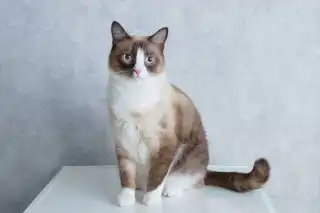
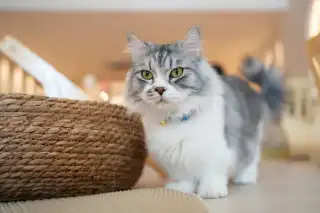
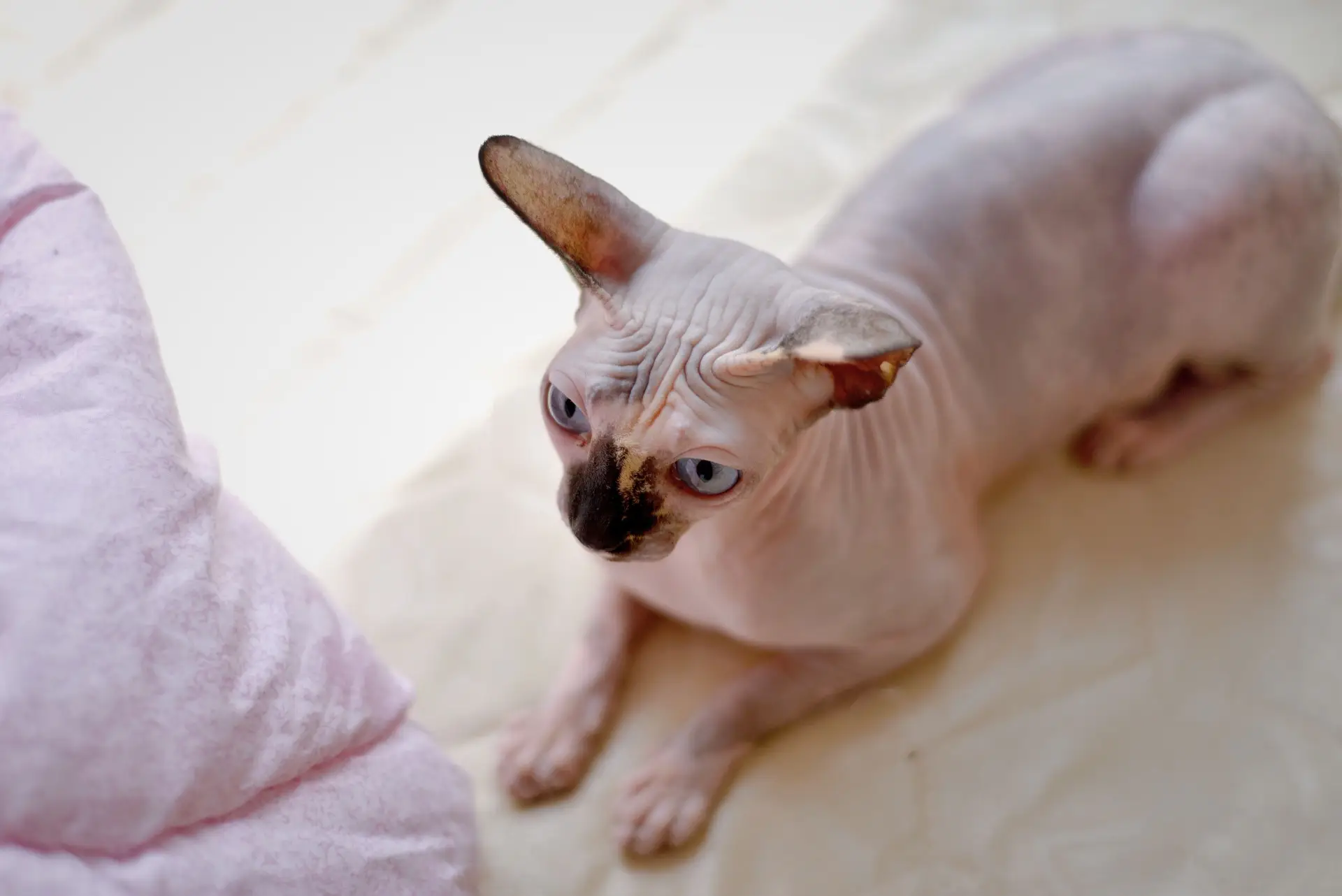 A Minskin cat’s distinctive short legs and silky fur points make it instantly recognizable.
Key Takeaways
- Minskin cats are a genuinely rare breed — with fewer than 100 registered examples when they first gained TICA recognition, they remain one of the rarest domestic cat breeds in the United States.
- They are NOT fully hairless — the Minskin has “fur points,” meaning soft, silky fur appears on the face, ears, legs, and tail, while the body remains mostly bare and warm like a little heated velvet pouch.
- Their short legs are genetic, not a defect — the dwarfism comes from the same Munchkin gene, but Minskins carry their mobility and agility with surprising confidence.
- These cats are intensely social — leaving a Minskin alone for long stretches is genuinely unkind. They thrive on connection and can develop anxiety without it.
- Grooming is low-effort but not zero-effort — the sparse coat means less shedding, but their exposed skin needs regular attention, especially in different temperatures.
- Expect to pay a premium — Minskin kittens typically range from $1,500 to $4,500 from reputable breeders, reflecting both their rarity and the complexity of responsible breeding.
Quick Overview
| Trait | Detail |
|---|---|
| Origin | United States (Boston, Massachusetts), developed in the early 2000s |
| Size | Small |
| Weight | 4–6 pounds (fully grown adults) |
| Lifespan | 12–15 years with proper care |
| Coat | Semi-hairless with fur points on face, ears, legs, and tail |
| Color | Wide variety including solid, tabby, bicolor, tortoiseshell, and colorpoint |
| Temperament | Affectionate, playful, social, intelligent, people-oriented |
| Grooming | Low to moderate — weekly skin wipe-downs, occasional bathing, ear cleaning |
| Price | $1,500–$4,500 USD from reputable breeders |
How the Minskin Cat Came to Be: A Breeder’s Passion Project That Changed Everything
The Minskin cat’s story starts with a man named Paul McSorley in Boston, Massachusetts, around 1998. McSorley wasn’t trying to create a viral internet sensation — he was pursuing a very specific vision: a small cat with the low-slung silhouette of a Munchkin but with the warm, minimally-coated body of a Sphynx, finished with lush fur points like a cashmere sweater trim.
To get there, he crossed Munchkin cats (the source of the short-legged dwarfism gene) with Sphynx cats (for the hairless body), and then brought in Burmese and Devon Rex bloodlines to refine the temperament and the texture of those fur points. This wasn’t a quick process — it took careful, deliberate selection over years.
By 2000, the first cat that truly fit McSorley’s vision was born. By 2005, The International Cat Association (TICA) had granted the Minskin “Registration Only” status, acknowledging the breed as a legitimate developing program. It was a significant milestone, but it also signaled how young and fragile the gene pool still was.
What’s fascinating about Minskin breeding history is how intentional it was. Unlike some breeds that emerge as happy accidents, the Minskin was architected from the ground up. McSorley published his breeding program openly, inviting collaboration and transparency — which is part of why the breed has the stable temperament it does today. Good temperament was always part of the blueprint, not an afterthought.
The breed remains in development, which is breeder-speak for “the gene pool is still being carefully expanded and the breed standard is still being refined.” It’s one reason why finding a Minskin requires patience and research — but it’s also why the cats being produced today are genuinely well-thought-out animals, not rushed products of trend-chasing.
What a Minskin Cat Actually Looks Like (Breed Standard Meets Real Life)
On paper, the Minskin is described as a small, semi-cobby cat with short limbs due to the achondroplastic dwarfism gene, a rounded head, large eyes, and prominent ears. In real life, the first thing people say when they see one is usually something along the lines of “Wait, is that… real?”
The body is compact and low to the ground, with a slightly rounded belly — Minskins tend to carry a little softness around the midsection, which only adds to their teddy bear quality. The legs are short and sturdy, not frail-looking. They move with this curious rolling waddle-trot that is, objectively, one of the more charming things you’ll ever see an animal do.
The head is round and substantial relative to the body size, with wide-set eyes that can come in almost any color. Those ears are large and open, sitting high on the head and giving the cat a perpetually alert, slightly extraterrestrial expression. In good lighting, a Minskin’s face looks like it was designed by someone who had a brief but passionate love affair with both cats and anime.
Now, the coat — this is where things get genuinely interesting. The body is largely hairless, but it’s not the complete smoothness you’d see on a Sphynx. It has a suede-like quality, slightly textured, warm to the touch. The fur points on the face, ears, paws, and tail are soft and sparse — not fluffy, but silky in a way that’s hard to describe without touching it. Run your hand along a Minskin’s tail and it feels like brushing against the ear of a velvet rabbit.
Whiskers are present but may be sparse or slightly curled depending on the individual cat. The skin shows through in most places, and you can often see the faint blush of the cat’s body warmth right through the skin — Minskins run genuinely warm, a side effect of their minimal insulation.
Minskin Cat Coat Colors, Variations, and the Genetics Behind That Patchwork Velvet
If you assumed “mostly hairless” meant “not much variety” — prepare to be pleasantly surprised. The Minskin cat comes in a remarkably wide spectrum of colors and patterns, all of which show up primarily on those signature fur points.
Common color presentations include:
- Solid colors: Black, white, blue (gray), red, cream, chocolate, and lavender/lilac
- Tabby patterns: Classic, mackerel, spotted, and ticked — often visible as faint ghost markings even on the skin itself
- Bicolor: White combined with virtually any other color
- Tortoiseshell and calico: That beautiful chaotic patchwork of orange, black, and cream
- Colorpoint: Siamese-style pointing, where the fur points on the extremities are a darker shade than the base body color
The genetics here involve at least two major factors working simultaneously. First, the hairlessness/sparse coat gene inherited from the Sphynx lineage — this is a recessive gene, meaning both parents need to carry it for the trait to fully express. Second, the standard feline coat color genetics that every domestic cat carries, determining what colors and patterns appear on whatever fur the cat does grow.
What makes Minskin coloration particularly striking is the contrast — because the body skin is visible, you get this layered visual effect where the skin’s undertone and the fur point color interact. A chocolate Minskin with colorpoint markings looks like it was painted in watercolors. A tortoiseshell Minskin’s fur points display that mosaic in miniature, concentrated on the extremities.
It’s worth noting that litter genetics can be unpredictable in developing breeds, especially when multiple breed lines contribute. This is why reputable Minskin breeders maintain detailed records and why surprises in a litter — in color, coat texture, even leg length — aren’t unusual. Part of what makes Minskin breeding an art form.
The Real Personality of a Minskin Cat (Spoiler: “Affectionate” Doesn’t Even Cover It)
Here’s where I want to push back against every bland breed description that just strings together words like “affectionate,” “playful,” and “good with children.” Because while those words apply to the Minskin cat, they massively undersell what actually living with one is like.
Minskins are velcro cats with a social intelligence that borders on unsettling. They don’t just want to be near you — they want to be with you, actively participating in whatever you’re doing. Working from home with a Minskin? Prepare for a warm, purring supervisor to install themselves directly on your keyboard, occasionally making editorial additions to your emails with their forehead.
They’re curious in a particular way — not destructively so, like a Bengal ricocheting off your walls, but methodically. A Minskin will notice a new object in the room within minutes, approach it deliberately, investigate it thoroughly, and then either claim it as a nap spot or lose interest completely. There’s a gravity to how they engage with their environment that feels almost cat-ish in the classical sense — dignified curiosity.
The playfulness is real and lasting. Unlike some breeds that mellow dramatically after kittenhood, Minskins tend to retain their enthusiasm for interactive play well into adulthood. Wand toys, puzzle feeders, even just a crinkle ball rolling across the floor — they engage with genuine zeal. But they’re not demanding in an exhausting way; they can also spend hours simply pressed against you while you watch TV, completely content.
One thing that surprises new Minskin owners is how well they tend to communicate. These cats vocalize — not in the yowling Siamese way, but in a conversational, back-and-forth manner. You say something, they chirp back. It’s the kind of dynamic that makes people who live alone feel a lot less alone.
One genuine caveat: this depth of social need is a real responsibility. A Minskin left alone for a full workday every day without a companion — human, feline, or otherwise — can become anxious and withdrawn. If your lifestyle involves long solo hours, consider adopting in pairs or ensuring someone can check in during the day. This isn’t a breed you can treat like a semi-independent houseplant.
Minskin Cat Daily Care: What the Routine Actually Looks Like
The low-shedding reality of a Minskin is wonderful — if you’ve lived with a Maine Coon or a Persian, the difference is staggering. But “low shedding” doesn’t mean “maintenance-free,” and the care a Minskin needs is just different from what most cat owners are used to.
Skin Care
The body skin is the biggest adjustment for new owners. Without a full coat, oils from the skin build up and need to be wiped down regularly — most owners do a gentle wipe with a damp warm cloth or a fragrance-free, cat-safe wipe about once a week. In warmer months or for particularly active cats, you might find yourself doing this more often. The ear canals also accumulate more wax than coated cats, so weekly ear checks and gentle cleaning are important.
Minskins are sensitive to temperature extremes in both directions. In winter, that mostly bare body needs help staying warm — most Minskins will seek out the warmest spots in your home like furry little heat-seeking missiles, but cat sweaters and heated beds are genuinely useful additions, not just Instagram accessories. In summer, protect them from direct sun exposure; their skin can actually sunburn, especially on lighter-colored cats.
Bathing
Unlike most cats that violently protest bath time, many Minskins — thanks to their Sphynx heritage — are remarkably tolerant of the occasional bath. Aim for every 2–4 weeks using a gentle, cat-specific shampoo. The goal is to clear the oil buildup without stripping the skin completely. Warm water, calm handling, and a thorough warm dry afterward make the whole process relatively painless.
Diet and Weight
Minskins have higher metabolisms than most cats, partly because maintaining body temperature without insulating fur burns more energy. They typically do well on high-quality protein-forward cat food — wet food as the primary diet, with dry food as a supplement if desired. Watch portion sizes; despite that metabolic boost, they’re small cats and it’s surprisingly easy to overfeed them. A slightly pudgy Minskin belly is cute, a genuinely overweight Minskin is a health concern.
Exercise
Short legs don’t mean low energy. Minskins love to play and need daily interactive sessions to stay mentally and physically sharp. The good news is that 15–20 minutes of focused wand toy or puzzle feeder time tends to satisfy them. They’re not parkour cats — jumping to great heights isn’t really their signature move — but they’re agile, quick on their feet, and will happily chase, stalk, and pounce within their range.
Minskin Cat Health: What You Need to Know Before You Fall in Love
Note: This section discusses health considerations. Please consult your veterinarian for personalized advice.
Let’s talk honestly about health, because any responsible guide has to. Minskin cats carry genetic traits from multiple breeds, and while the combination often works beautifully, there are real risks to understand.
Lordosis
This is a spinal condition sometimes seen in Munchkin-lineage cats where the muscles supporting the spine are underdeveloped, causing it to curve abnormally. Mild lordosis may not significantly affect quality of life; severe cases can be debilitating. Reputable breeders screen for this actively.
Pectus Excavatum
Also appearing in Munchkin lines, this is a chest deformity where the breastbone sinks inward. Again, it ranges from cosmetic to functionally serious depending on severity. Ask breeders point-blank whether their lines have produced cases of this.
HCM (Hypertrophic Cardiomyopathy)
Inherited from the Sphynx side of the family tree, HCM is a heart muscle disease that’s unfortunately common in many cat breeds. It’s the leading cause of heart disease in domestic cats overall. Annual cardiac screening with an echocardiogram is something every Minskin owner should build into their vet routine.
Skin Sensitivity
That bare or sparse skin is beautiful, but it’s also more exposed to environmental irritants, UV damage, and temperature-related issues than a fully coated cat. Skin infections from accumulated oils, if not managed with regular cleaning, are a real possibility.
The General Picture
With attentive care, regular vet check-ups (at least annually, ideally biannually), and a reputable breeder who practices genetic screening, most Minskin cats live full, healthy lives in the 12–15 year range. Some live longer. The breed is young enough that long-term longitudinal health data is still being established, which is one reason staying connected to the Minskin breeder community is actually valuable — they share health updates across bloodlines.
⚠️ Health Disclaimer: This information is for educational purposes only and is not a substitute for professional veterinary advice. Always consult a licensed veterinarian for diagnosis, treatment, and health decisions regarding your cat.
Finding a Minskin Cat in the US: Rarity, Rescues, and What You’ll Actually Pay
Let’s be direct: Minskin cats are rare. Not “rare like finding a good parking spot in New York” rare — genuinely, legitimately uncommon. As of the breed’s early recognition period, there were fewer than 100 registered Minskins worldwide. While that number has grown, they remain one of the rarest recognized cat breeds in the United States.
What this means practically is that you will not find a Minskin at a shelter, almost certainly. Breed-specific rescues occasionally have them, but it’s the kind of situation where you’d need to set up alerts and check regularly over months. Organizations like TICA’s breeder registry or the Minskin Cat Club are the most reliable starting points for finding legitimate breeders.
What You’ll Pay
From a reputable breeder who performs health testing, raises kittens with proper socialization, and provides health guarantees: expect to spend $1,500–$4,500 for a Minskin kitten. The wide range reflects variations in coat pattern rarity, bloodline, geographic location of the breeder, and whether the kitten is being sold as a pet (spayed/neutered) versus with breeding rights.
If someone is advertising Minskin kittens for $400–$700, that’s a significant red flag. Either the cats aren’t true Minskins, they’re not health-tested, or the breeding conditions aren’t what they should be. The premium price reflects real costs: genetic testing, quality vet care, careful socialization programs, and the sheer rarity of producing healthy Minskin litters consistently.
Questions to Ask Any Breeder
- Can you show me the TICA registration paperwork for both parents?
- Have the parents been tested for HCM, lordosis, and pectus excavatum?
- At what age do you release kittens? (Twelve weeks minimum — earlier is a red flag.)
- Can I see the environment the kittens are raised in, either in person or via video call?
- Do you provide a health guarantee, and what does it cover?
A good breeder will welcome every one of these questions. Anyone who gets defensive or evasive is telling you something important.
Frequently Asked Questions About Minskin Cat
Are Minskin cats hypoallergenic?
Not technically, no — but they’re often much better tolerated by people with mild cat allergies. Most cat allergies are triggered by the Fel d 1 protein found in cat saliva and skin dander, not the fur itself. Because Minskins shed minimally, less allergen-coated fur circulates around your home. That said, someone with severe cat allergies could still react. If allergies are a concern, spend time with the specific cat before committing.
Do Minskin cats get along with dogs and other pets?
Generally, yes — Minskins tend to be remarkably adaptable and socially confident, which makes introductions to dogs and other cats smoother than with more timid breeds. That said, proper introductions matter. A slow, scent-first introduction process over several days is always the safest approach regardless of how social your Minskin is.
How much does a Minskin cat cost?
From a reputable, health-testing breeder in the United States, expect to pay between $1,500 and $4,500 for a pet-quality kitten. Breeding-rights cats can cost more. Don’t be tempted by suspiciously low prices — they almost never reflect a legitimate, ethically-run breeding program.
Can Minskin cats live in apartments?
Absolutely — their small size and moderate activity level make them well-suited to apartment living. The key is enrichment: vertical spaces (even if they’re short climbers, they appreciate options), puzzle feeders, and regular interactive play sessions. A Minskin in an apartment with an engaged owner will thrive; a lonely Minskin in any space will struggle.
Do Minskin cats require baths?
Yes, more so than fully coated cats. The oil buildup on their largely bare skin requires a bath roughly every 2–4 weeks using gentle, cat-appropriate shampoo. Most Minskins tolerate this well, especially if introduced to bathing early in life. Weekly skin wipe-downs between baths help manage oil between full washing sessions.
How long do Minskin cats live?
With good care and regular veterinary monitoring, most Minskin cats live between 12 and 15 years. Some individuals exceed this. Annual cardiac screenings (for HCM) and maintaining a healthy weight are probably the two biggest factors in supporting a long, quality life.
Are Minskin cats good with children?
They tend to be patient, social, and sturdy enough for gentle interaction with older children who know how to handle cats respectfully. Young children who are still learning “gentle hands” need supervision — not because Minskins are aggressive, but because any cat can reach a threshold, and a child accidentally grabbing a Minskin’s short legs roughly is asking for trouble. Teach the kids first, then let the relationship develop naturally.
Is it cruel to breed Minskin cats because of their short legs?
This is a genuine and important question that comes up regularly, and it deserves an honest answer. The short leg gene (achondroplasia) from the Munchkin line does affect limb proportions, but studies and veterinary observations to date suggest that Munchkin-lineage cats — including Minskins — move, jump (within their range), and live without the chronic pain associated with similar dwarfism conditions in dogs. That said, the breed is young, long-term data is limited, and responsible breeders actively monitor for associated skeletal issues. It’s a conversation worth having with your vet and staying informed about as more research emerges.
What’s the difference between a Minskin and a Sphynx cat?
Both have minimal coats and warm skin, but they’re quite different in practice. Sphynx cats are fully hairless (no fur points), significantly larger, and have a different facial structure. Minskins have those distinctive fur points on the extremities, are much smaller due to the Munchkin dwarfism gene, and have a noticeably more compact, rounded body. Temperamentally, both tend to be social and people-oriented, but Minskins often have a slightly gentler, less high-octane energy than some Sphynx individuals.
Where can I find a reputable Minskin cat breeder?
Start with TICA’s online breeder directory, which allows you to search registered breeders by breed and location. The Minskin Cat Club, if active, is another resource. Word of mouth in dedicated cat breeder communities and forums is also valuable. Be prepared for waitlists — reputable Minskin breeders often have kittens spoken for months in advance. That wait is worth it.
The Minskin cat is genuinely not a breed for everyone. They demand attention, skin care routines, emotional investment, and a budget that reflects their rarity. But if you’re the kind of person who wants a cat that’s a true companion — one that will track your movements through the house with devoted curiosity, install itself on your chest the moment you lie down, and somehow make your whole apartment feel warmer just by being in it — then the Minskin might be exactly what you’ve been looking for without knowing it.
Just don’t say you weren’t warned about that “I own you now” look.