There’s a particular moment that Siberian Cat owners know well — you’re sitting on the couch, minding your own business, and suddenly this dense, luxuriously furred creature launches itself onto your lap with the quiet confidence of someone who owns the place. No meow, no warning. Just a warm, purring mass of cat that somehow feels like it belongs exactly there.
That’s the Siberian Cat in a nutshell. Not flashy, not demanding in an obvious way, but utterly impossible to ignore once they’ve decided you’re worth their time.
This breed is one of those rare combinations: ancient and rugged on the outside, deeply affectionate and surprisingly dog-like on the inside. Whether you’re a first-time cat parent or a seasoned multi-pet household, the Siberian has a way of reshaping your expectations of what a cat can be.
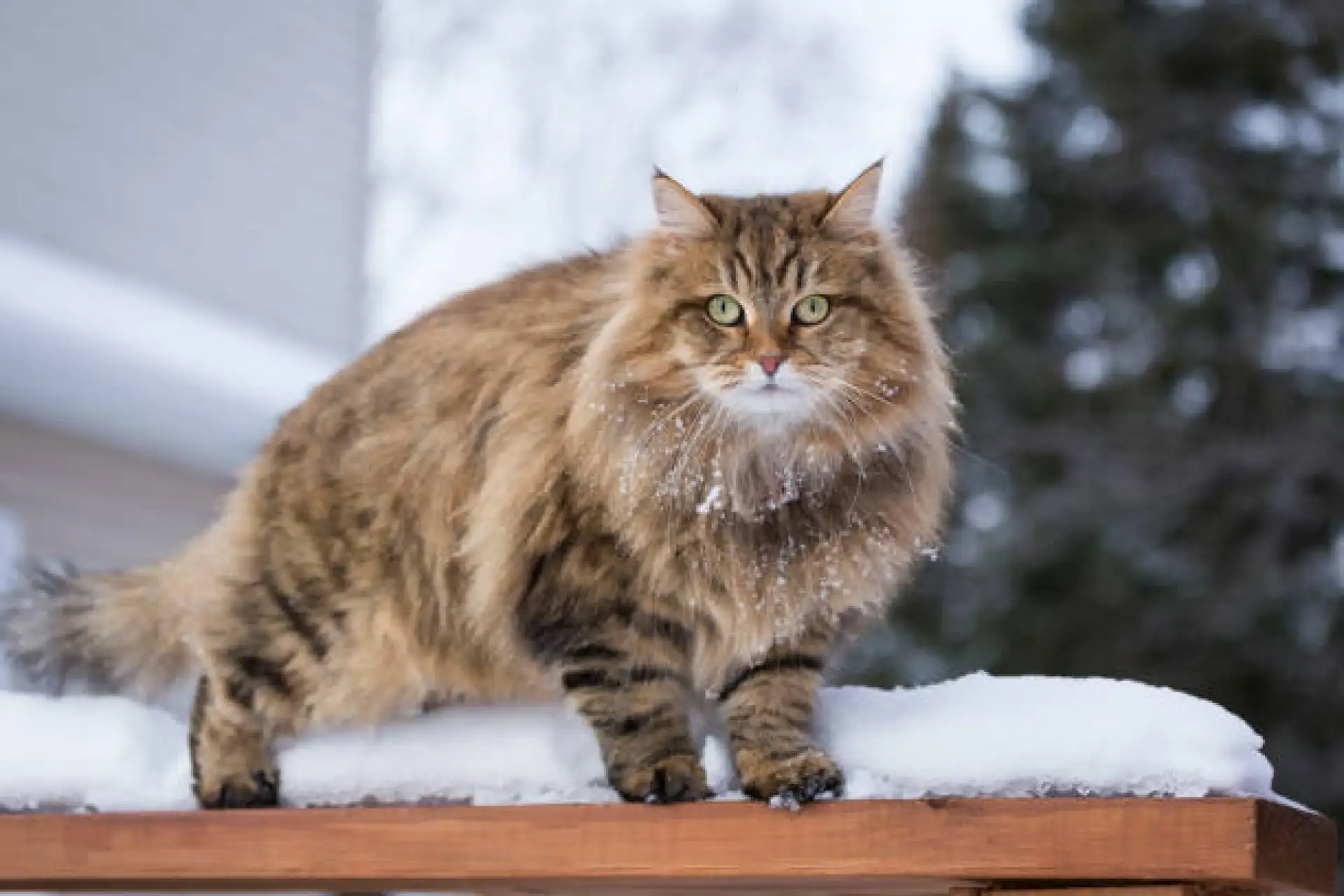 A Siberian Cat’s dense coat and powerful build reflect centuries of adapting to Russia’s harsh wilderness.
Key Takeaways
- Siberians are one of the oldest naturally occurring cat breeds, with roots in Siberia’s boreal forests dating back over 1,000 years — this is a cat shaped by nature, not breeders.
- Hypoallergenic-ish is real here. Siberians produce lower levels of the Fel d 1 protein (the main cat allergen) compared to most breeds, making them a genuine option for many mild allergy sufferers — though “hypoallergenic” is never a guarantee.
- This is not an aloof cat. Siberians are emotionally present in a way that surprises people. They follow you, they check in on you, and they genuinely seem to care about what you’re doing.
- The triple-layered coat is stunning but high-maintenance during shedding season. Spring molting is real, and a good deshedding brush will become your best friend.
- They’re athletic and smart — puzzle feeders, vertical spaces, and interactive play aren’t optional enrichment; they’re a necessity.
- Siberians are kid- and dog-friendly in a way that’s uncommon for cats, making them genuinely great family additions rather than just tolerant ones.
Quick Overview
| Trait | Detail |
|---|---|
| Origin | Russia (Siberia), naturally occurring landrace breed with over 1,000 years of history |
| Size | Large; one of the biggest domestic cat breeds with a muscular, substantial build |
| Weight | Males: 15–20 lbs; Females: 10–15 lbs |
| Lifespan | 12–15 years, with many living into their late teens with good care |
| Coat | Triple-layered (guard hair, awn hair, down undercoat), water-resistant and semi-long |
| Color | Virtually all colors and patterns, including tabby, solid, colorpoint (Neva Masquerade), and more |
| Temperament | Affectionate, playful, curious, dog-like in loyalty; calm but not sedentary |
| Grooming | 2–3 brushings per week (daily during heavy spring/fall shedding season) |
| Price | $1,200–$4,000+ USD from reputable breeders; adoption occasionally possible through rescues |
The Siberian Cat’s Russian Roots: A Thousand Years in the Making
Most cat breeds are relatively recent human projects — the result of deliberate crossing programs in the last century or two. The Siberian Cat is something else entirely. This is a breed that nature built, slowly, over centuries of brutal winters, dense taiga forests, and the practical demands of Russian village life.
Historical references to large, forest-dwelling cats in Russia appear in documents stretching back to at least the 11th century. These cats weren’t pets in the modern sense — they were working animals, prized for their ability to keep monasteries, markets, and homes free from rodents. The harsh Siberian climate did the selection work that breeders usually do: only the strongest, densest-coated, most resourceful cats survived and reproduced.
By the time organized cat fancy began in Russia in the late 1980s — around the same time political changes were opening the country to the West — Siberians were recognized as a distinct national breed. The first breed standard was written in 1987, and Siberians arrived in the United States in 1990 when breeder Elizabeth Terrell imported the first ones from Natalya Fedosova in St. Petersburg.
What’s remarkable is how little these cats have changed from their working ancestors. Unlike many breeds that have been dramatically altered through selective breeding, the Siberian Cat you can adopt today is genuinely close to what Russian villagers would have recognized centuries ago. That wild, forest-cat aesthetic isn’t manufactured — it’s inherited.
The Neva Masquerade, a colorpoint variant of the Siberian that emerged from natural crossings with Siamese-type cats near the Neva River in St. Petersburg, was later incorporated into the breed standard by some registries — adding blue eyes and pointed coloring to an already striking cat.
What a Siberian Cat Actually Looks Like (Beyond “Big and Fluffy”)
People often hear “large, semi-longhaired cat” and picture something either like a Maine Coon or a Persian. The Siberian is neither. There’s a specific look to this breed that’s worth understanding before you meet one in person — because the reality is more impressive than most photos capture.
The overall impression is one of substantial roundness. Round head, round eyes, rounded ears set wide apart. The body is described as “barrel-chested” for a reason — the torso is deep and muscular, with strong hindquarters that are actually slightly higher than the shoulders, giving the cat a faint arc to its back when standing. The hind legs being longer than the front legs contribute to their famously powerful jumping ability. A Siberian clearing a 6-foot bookshelf from a standing position is not unusual.
The coat is the showpiece, and it operates in three distinct layers:
- The outer guard hairs are longer and water-resistant (historically useful for an animal that might trek through snow)
- The awn hairs form a middle layer
- The down undercoat is incredibly dense and soft
The result is a coat that doesn’t mat as easily as you might expect for something that long — the texture has a certain coarseness to the outer layer that helps keep it from tangling. That said, the neck ruff, the “breeches” on the back legs, and the plumed tail are the areas where knots can form if you get lazy with grooming.
Eyes can be gold, green, or copper in most coat colors — and hauntingly blue in colorpoint (Neva Masquerade) individuals. Some Siberians even have odd eyes, one blue and one gold, which is particularly common in white-coated individuals.
The overall effect, especially in a fully mature male, is something that genuinely reads as “forest cat.” There’s a wildness to the look that other fluffy breeds don’t quite capture.
The Color Kaleidoscope: Every Pattern Under the Russian Sky
If you thought choosing a Siberian Cat meant choosing between “tabby” and “not tabby,” the reality is considerably more complex — and more fun.
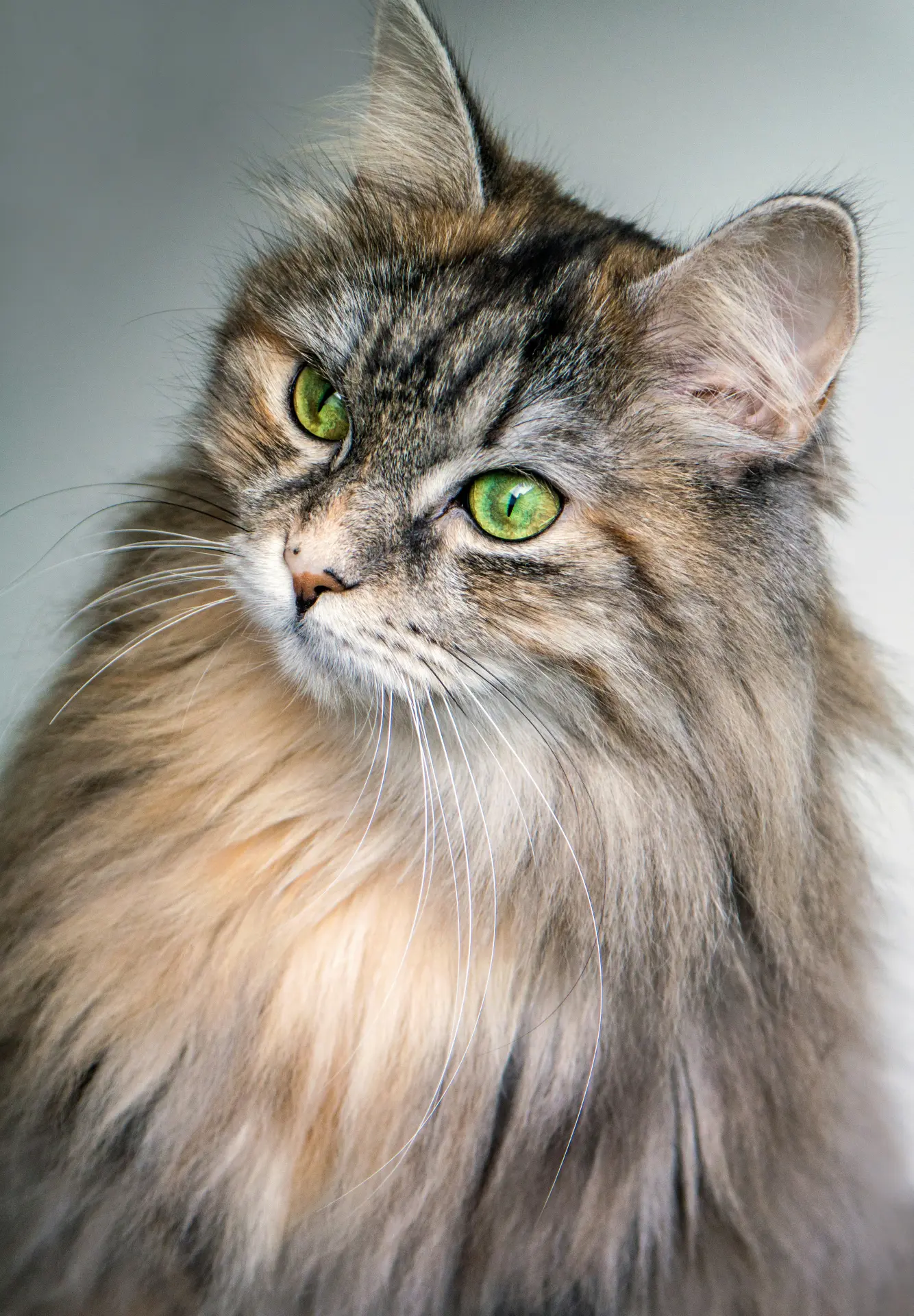 Golden tabby is one of the most striking Siberian color expressions, highlighting the breed’s wild, forest-cat heritage.
The Siberian Cat is accepted in virtually every color and pattern combination by major registries, which makes it one of the most genetically diverse breeds in terms of coat expression. Here’s a breakdown of what you’ll commonly encounter:
Tabby patterns are the most ancestrally common — classic (swirled), mackerel (striped), spotted, and ticked tabby all appear. Brown tabby is perhaps the most “classic” Siberian look, calling back to those forest-dwelling ancestors.
Solid colors including black, blue (a dilute gray), red (orange), cream, and white are all possible. Solid white Siberians can carry the gene for deafness if blue-eyed, though this is not universal.
Bicolor and van patterns (large areas of white with color on the head and tail) are also recognized.
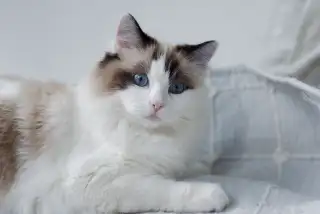
Colorpoint (Neva Masquerade): This is where genetics gets interesting. The colorpoint variant requires two copies of the colorpoint gene, which restricts pigment to the “points” — face, ears, paws, and tail. These cats always have blue eyes and are often strikingly beautiful. Some registries (like TICA) accept them as a variety of Siberian; others treat them as a separate breed.
Silver and golden varieties occur when the inhibitor gene suppresses the yellow pigment in the coat, creating cats with bright silver or warm golden tipped fur. Silver tabbies in particular are breathtaking — each hair has a white base with a darker tip, giving the coat an almost metallic shimmer.
Genetically, none of these colors were selectively introduced from outside the breed — they reflect the natural genetic diversity that accumulated over centuries of open breeding in Russia’s large, geographically varied population.
Living With a Siberian: The Personality No One Quite Prepares You For
Here’s the thing about Siberian Cat temperament: people come in expecting a cat and leave with something that feels closer to a loyal, fur-covered best friend.
The dog comparison gets made constantly, and it’s both accurate and slightly misleading. Siberians aren’t “dog-like” in the sense of being obedient or eager to please in a performative way. They’re dog-like in the sense of being genuinely interested in you. Where most cats maintain a comfortable emotional distance, a Siberian tends to orbit your life. They’ll follow you to the bathroom, sit near (not necessarily on) you while you work, and quietly position themselves wherever you happen to be in the house.
The key word there is near. Siberians are not typically lap-clingers who demand constant contact. They want to be in your space, aware of you, part of whatever’s happening — but they’re not needy about it. There’s a calm confidence to their affection that feels more like companionship than dependency.
With children, Siberians are genuinely tolerant rather than merely enduring. They tend to match energy levels well — playful and active when the kids want to engage, calm and settled when things quiet down. That said, like any cat, early socialization matters enormously.
With other animals, the breed’s history as a working cat in communal environments means most Siberians adapt well to other cats and cat-friendly dogs, given proper introductions. They’re not typically aggressive or territorial.
Intelligence is something you’ll notice fast. A Siberian left without stimulation will find stimulation. That means figuring out door handles, opening cabinets, rearranging items off shelves, or loudly expressing their boredom in ways you cannot ignore. Puzzle feeders, interactive toys, and rotated play sessions aren’t optional extras — they’re the difference between a well-adjusted cat and a creative menace.
Their vocalizations are softer and more chirp-like than a Siamese, but they do communicate. You’ll learn their vocabulary. There’s a specific trill a Siberian makes when they’ve spotted a bird outside the window that is completely different from the chirp they make when it’s 6 PM and dinner should have happened fifteen minutes ago.
One thing worth mentioning: Siberians love water. Not in a “will sit in the shower with you” way (though some will), but in an “extremely interested in your glass of water” and “will dip a paw into anything liquid” way. Keep your drinks covered. This is not negotiable.
Keeping a Siberian Happy: The Real Grooming and Care Picture
Grooming: The Honest Version
During most of the year, the Siberian’s coat is remarkably manageable for its length. Two to three brushing sessions per week with a good quality slicker brush and a wide-toothed comb keeps things neat, prevents tangles behind the ears and in the leg “pants,” and controls loose hair.
Then spring arrives.
The seasonal shed — when that dense undercoat starts to release — is genuinely impressive in volume. Daily brushing during this period isn’t overcautious; it’s essential. A good deshedding tool (like an undercoat rake) combined with a slicker brush is the combo that will save your furniture, your clothes, and your sanity. Some Siberian owners swear by a monthly professional grooming session during peak shedding season, and honestly, it’s money well spent.
Bathing is occasionally useful — especially because Siberians are not particularly opposed to water — but their coat’s natural water-resistant properties mean it takes a while to get fully saturated and even longer to dry. A blow-dryer on a low, warm setting (not hot) while brushing works well if you can get them comfortable with the sound.
The rest of the grooming routine is standard: nail trims every 2–3 weeks, dental brushing or dental treats to prevent periodontal disease, and ear checks to make sure those tufted ears aren’t accumulating debris.
Diet & Nutrition
Siberians are muscular, substantial cats, and they need protein-forward diets to maintain that physique. A high-quality commercial cat food with real meat (chicken, fish, turkey) as the primary protein source is a solid foundation. Many Siberian owners incorporate wet food or a raw feeding component, which supports hydration and coat condition.
Watch portion sizes carefully — these are cats that love to eat and will not self-regulate effectively if food is always available. Free-feeding a Siberian often leads to a very round, somewhat less healthy cat. Scheduled meals work better.
Exercise & Mental Enrichment
Tall cat trees are not optional in a Siberian home — they’re infrastructure. These cats want height. They want to jump, climb, and survey their territory from above. A solid floor-to-ceiling cat tree is worth every penny.
Interactive play sessions — wand toys, laser pointers used properly (always ending with a physical “catch”), feather toys — should happen at least once daily. Twenty minutes of focused play can do more for a Siberian’s behavior than any amount of passive entertainment.
The Siberian Cat’s Health: What Genetics Tells Us
Note: This section discusses health considerations. Please consult your veterinarian for personalized advice.
Siberians are a naturally developed breed, which generally works in their favor from a health standpoint. They haven’t been bred toward extreme physical traits that compromise function (unlike flat-faced breeds), and the large founding population in Russia provided reasonable genetic diversity.
That said, there is one health concern that every prospective Siberian owner should understand: Hypertrophic Cardiomyopathy (HCM).
HCM is the most common cardiac disease in cats generally, and Siberians have a known elevated prevalence compared to some other breeds. HCM causes thickening of the heart muscle, which can progress to heart failure or clot formation in serious cases. Responsible breeders screen their breeding cats with annual cardiac ultrasounds (echocardiograms) performed by a veterinary cardiologist, and HCM-negative status should be something you ask about when evaluating a breeder.
There is no DNA test for Siberian HCM (unlike in Maine Coons, where a specific mutation has been identified), so imaging is the only reliable screening method.
Other than HCM, Siberians are generally a robust breed. With good veterinary care, appropriate nutrition, and an enriched environment, a lifespan of 12–15 years is typical, and it’s not unusual for well-cared-for Siberians to reach 15–18 years.
A note on the hypoallergenic claim: Studies have shown that Siberians, on average, produce lower levels of the Fel d 1 allergen in their saliva than many other breeds. Some people with mild to moderate cat allergies report being able to live comfortably with Siberians when they cannot tolerate other breeds. However, individual variation is significant — both between cats and between people. If allergies are a concern, spending time with the specific cat before committing is genuinely important, and some reputable breeders will accommodate allergy testing visits.
⚠️ Health Disclaimer: This information is for educational purposes only and is not a substitute for professional veterinary advice. Always consult a licensed veterinarian for diagnosis, treatment, and health decisions regarding your cat.
Finding a Siberian Cat in the US: Rarity, Pricing, and the Breeder Search
The Siberian Cat is not rare in Russia, but it’s considerably less common in the United States than breeds like Maine Coons or Persians. The population has grown significantly since that first import in 1990, but you’re still dealing with a relatively limited number of reputable breeders compared to more established American breeds.
What you’ll pay: From a TICA- or CFA-registered breeder with health testing documentation, expect to pay between $1,200 and $2,500 for a pet-quality Siberian kitten. Show-quality or breeding-quality cats from championship lines can push to $3,500–$4,000+. Neva Masquerade colorpoints sometimes command a premium within this range.
Be cautious of Siberians priced significantly below $1,000 — this is a breed that requires health testing (especially cardiac screening), proper socialization, and quality nutrition during kittenhood, all of which cost money. Bargain-priced kittens often come from situations where those investments weren’t made.
Finding a breeder: The Siberian Cat Club (SCC) and TICA’s breeder referral are good starting points. Waitlists are common — 6 to 12 months is not unusual for reputable breeders, especially for specific color preferences.
Adoption: Siberian-specific rescues exist but are small. Breed-specific Facebook groups sometimes facilitate rehoming of adult Siberians from owners who can no longer keep them. If you’re open to an adult cat, this can be a wonderful option — adult Siberians are often fully socialized, personality-assessed, and significantly less expensive than kittens.
Frequently Asked Questions About Siberian Cats
Are Siberian Cats truly hypoallergenic?
Not technically — no cat is completely hypoallergenic. What Siberians do produce, on average, is a lower level of the Fel d 1 protein that triggers most cat allergies. Many allergy sufferers find they tolerate Siberians significantly better than other breeds. But “lower” isn’t “zero,” and individual responses vary widely between both people and individual cats. If you’re allergic, visiting the specific cat before adopting is essential rather than just trusting the breed label.
How big do Siberian Cats get?
Siberians are one of the larger domestic cat breeds. Males typically reach 15–20 pounds, females 10–15 pounds. They’re also slow to mature, not reaching full adult size until around 4–5 years of age. So if you adopt a Siberian kitten and think it’s already big at one year old — wait. They have more growing to do.
Do Siberian Cats need a lot of grooming?
For most of the year, the grooming commitment is moderate — 2–3 sessions per week. The major exception is seasonal shedding (primarily spring, sometimes fall), when daily brushing becomes necessary to manage the undercoat blow. The coat texture is less prone to matting than some other semi-longhaired breeds, but the sheer volume of undercoat during shed season is impressive.
Are Siberian Cats good with kids and other pets?
Generally, yes — and this is one of the breed’s genuine strengths rather than just a talking point. Siberians tend to be patient, adaptable, and socially flexible. They typically get along well with cat-friendly dogs and other cats when introduced properly. With children, they’re usually playful and tolerant, though young children should always be taught how to interact respectfully with cats.
Do Siberian Cats have health problems?
The main breed-specific concern is Hypertrophic Cardiomyopathy (HCM), a heart condition that occurs at elevated rates in Siberians. Responsible breeders screen their cats with annual cardiac echocardiograms. Otherwise, Siberians are generally a robust, healthy breed without the structural health issues seen in some other breeds. Regular veterinary care, appropriate nutrition, and weight management are the primary tools for a long, healthy life.
How long do Siberian Cats live?
The typical lifespan is 12–15 years, and many Siberians live well into their mid-to-late teens with good care. Their naturally developed genetics (as opposed to heavily manipulated breeding programs) contribute to their overall hardiness.
Are Siberian Cats indoor-only cats?
Reputable breeders will virtually always require that Siberians be kept as indoor cats, and this is genuinely in the cat’s best interest from a safety and health standpoint. That said, their high intelligence and energy means they need substantial indoor enrichment — tall cat trees, interactive play, and rotating toys are important. Some owners provide safely enclosed outdoor spaces (like catios) as a compromise.
Are Siberian Cats vocal and loud?
Siberians are communicative but not particularly loud. They have a softer, more melodic vocalization than breeds like Siamese or Bengals — lots of chirps, trills, and quiet chattering rather than demanding yowls. They will let you know what they need, but they’re not the type of cat that narrates their life at full volume.
How much does a Siberian Cat cost in the US?
From a reputable, health-testing breeder, expect $1,200–$2,500 for a pet-quality kitten. Show-line or breeding-quality cats can reach $3,500–$4,000+. Waitlists of 6–12 months are common with quality breeders. Adult cats adopted through breed-specific rescues or rehoming situations are significantly less expensive, typically $200–$500 if through a rescue.
What’s the difference between a Siberian Cat and a Neva Masquerade?
The Neva Masquerade is a colorpoint variety of the Siberian Cat, characterized by blue eyes and the pointed pattern — darker coloring on the face, ears, paws, and tail, with a lighter body. The name references the Neva River in St. Petersburg. Some registries (like TICA) classify them as a variety within the Siberian breed; others treat them as a separate breed. In terms of temperament and care, they’re essentially the same cat.
The Siberian Cat is one of those breeds that tends to convert people. You might come in thinking you want a cat that’s beautiful and manageable, and you end up with something that follows you from room to room, chirps at birds through the window, and somehow makes your entire home feel warmer just by being in it.
They’re not the easiest cat to own — that coat, that intelligence, that energy — but they’re one of the most rewarding. If you’re ready to meet that challenge, there are few companions, feline or otherwise, quite like a Siberian.